
Antimicrobial testing ensures sports uniforms stay hygienic, safe, and durable by evaluating their ability to resist bacteria and other microbes. This process is critical for athletic gear, which faces sweat, heat, and constant wear. Key testing methods like AATCC 100 (U.S. standard) and ISO 20743 (global standard) measure how well fabrics reduce harmful microorganisms like Staphylococcus aureus and Klebsiella pneumoniae. These tests also assess durability after multiple washes to ensure long-term effectiveness.
Key Takeaways:
- Why It Matters: Reduces odors, skin infections, and fabric damage while improving athlete comfort and safety.
- Testing Standards: AATCC 100 (FDA-recognized) and ISO 20743 (international compliance) evaluate bacterial reduction rates.
- Durability: Uniforms are tested for antimicrobial effectiveness after 20–50 wash cycles.
- Safety: Treatments like silver-ion technology are safer and less likely to cause skin irritation compared to chemical-based alternatives.
- Choosing Manufacturers: Look for independent lab certifications and proven durability to ensure reliable antimicrobial claims.
Antimicrobial treatments not only protect athletes but also extend the lifespan of uniforms, making them a smart investment for teams at all levels.
AATCC 100: Antibacterial Testing of Fabrics
Standard Methods for Testing Antimicrobial Fabrics
To ensure athletic uniforms offer reliable protection, manufacturers rely on two primary testing standards for antimicrobial fabrics. These methods are the backbone of certifying the long-term performance of treated textiles.
The process involves exposing fabric samples to bacteria commonly found in athletic environments. Then, the effectiveness of the fabric in reducing or eliminating these microorganisms is measured. This scientific approach ensures teams can trust that their antimicrobial uniforms will hold up under real-world conditions.
AATCC 100: Measuring Bacterial Reduction
The AATCC Test Method 100 is widely recognized as the leading standard for antimicrobial testing in the United States. In fact, the FDA identifies it as the benchmark for validating antimicrobial claims in textiles and medical products.
Here’s how it works: fabric samples – both treated and untreated – are inoculated with standard bacterial cultures like Staphylococcus aureus or Klebsiella pneumoniae. These samples are then incubated at 98.6°F (37°C), simulating body temperature, for 18–24 hours.
After incubation, the bacteria are neutralized, and surviving colonies are counted using serial dilution and agar plating techniques. The reduction in colony-forming units (CFUs) compared to untreated samples reveals the fabric’s antimicrobial performance [3, 6]. For a product to make antimicrobial claims, the FDA requires it to achieve a reduction greater than 4 log₁₀ CFUs – equivalent to a 99.99% reduction.
ISO 20743: International Antibacterial Testing
For global compliance, manufacturers turn to ISO 20743, the international standard for evaluating antibacterial activity in textiles. This is particularly important for companies exporting uniforms or working with international teams.
ISO 20743 offers flexibility with multiple test methods – such as transfer, absorption, and printing techniques – designed for different fabric types and applications. While its core principles align with AATCC 100 (bacterial inoculation, controlled incubation, and measurement of bacterial reduction), ISO 20743 adapts to regional requirements by varying test organisms, incubation conditions, and calculation methods.
For teams sourcing uniforms from manufacturers serving global markets, ISO 20743 certification ensures the antimicrobial treatment meets internationally recognized standards. This is especially critical for teams that travel or compete internationally.
Durability Testing After Multiple Washes
One critical factor in antimicrobial fabric performance is durability – how well the treatment holds up after repeated washing. Sports uniforms face frequent laundering, and treatments that fade after just a few washes offer little long-term benefit.
Durability testing subjects treated fabrics to a series of standardized wash cycles. Afterward, the antimicrobial efficacy is reassessed using AATCC 100 or ISO 20743 protocols. By comparing the results before and after washing, manufacturers can determine whether the treatment maintains its effectiveness over time.
For example, if a fabric’s antimicrobial performance significantly declines after several washes, it may not provide the lasting protection teams need. On the other hand, treatments that consistently demonstrate high levels of bacterial reduction – even after extensive laundering – prove their value for athletic programs.
| Test Aspect | AATCC 100 | ISO 20743 | Durability Testing |
|---|---|---|---|
| Primary Focus | U.S. market compliance | Global compliance | Long-term effectiveness |
| Test Duration | 18–24 hours incubation | Varies by method | Multiple wash cycles plus retesting |
| Key Metric | % bacterial reduction (CFU count) | % bacterial reduction (various methods) | Sustained efficacy after washing |
| Regulatory Recognition | FDA gold standard | Global compliance | Real-world validation |
How to Read Antimicrobial Test Reports and Certifications
Understanding antimicrobial test reports is crucial for verifying performance claims. These reports provide detailed technical data that confirm whether antimicrobial treatments are effective. By relying on established testing methods, these documents ensure that claims about antimicrobial performance are backed by solid evidence.
Key Details to Look For
Start by checking the test method used. Look for established standards like AATCC 100 or ISO 20743. If the report mentions unrecognized methods or doesn’t specify the testing protocol, it could be a red flag.
Next, review the microorganisms tested. Common examples include S. aureus and K. pneumoniae, which are relevant to athletic environments. A strong report will show a 99.99% (4-log) reduction in these bacteria. Some reports might also test for fungi like Aspergillus niger. However, if the report focuses on obscure organisms that don’t relate to real-world conditions, the results may not be meaningful.
Durability is another critical factor. Ensure the report shows sustained antimicrobial effectiveness after 20–50 washes. Be cautious of vague claims that lack specific reduction figures or omit wash cycle testing altogether.
Finally, confirm the laboratory accreditation status. Reports from labs accredited under ISO/IEC 17025 meet strict technical and quality standards, minimizing the risk of bias or error. This accreditation ensures the testing is reliable and conducted to global standards.
| Report Element | What to Look For | Red Flags |
|---|---|---|
| Test Method | AATCC 100, ISO 20743 | Unspecified or non-standard methods |
| Microorganisms | S. aureus, K. pneumoniae | Irrelevant or obscure organisms |
| Reduction Rate | 99% (2-log) or 99.99% (4-log) | Vague claims without numbers |
| Durability | Performance after 20–50 washes | No wash cycle testing |
| Lab Status | Independent, accredited facility | In-house testing only |
Why Independent Laboratory Certifications Matter
Independent certifications add an extra layer of credibility to antimicrobial claims. They provide third-party validation, ensuring that performance claims are accurate and unbiased. This is especially important for organizations like schools or sports leagues that need reliable, documented proof of performance.
Manufacturers like Wooter Apparel often include test reports from accredited independent labs, demonstrating their commitment to transparency and product quality. These reports typically outline the test methods used, microorganisms tested, reduction rates achieved, and durability over multiple wash cycles. This level of detail allows buyers to make informed decisions with confidence.
The distinction between in-house testing and independent certifications is significant. In-house tests may be influenced by bias or shortcuts, whereas independent labs follow strict, standardized protocols with no vested interest in the results. Accredited labs also undergo regular audits and maintain rigorous quality controls, ensuring their testing procedures meet international standards.
Certifications from organizations like AATCC or ISO signal that the product has been tested thoroughly and meets globally recognized benchmarks. For athletic programs investing in antimicrobial uniforms, these certifications offer reassurance. They confirm that the uniforms will perform as promised – protecting athletes from bacteria and odors while maintaining effectiveness through repeated washing and use.
sbb-itb-4d95ad3
How Antimicrobial Treatments Affect Uniform Durability and Safety
Antimicrobial treatments play a dual role in sports uniforms: they help uniforms last longer and protect athletes’ skin. By shielding fabrics from microbial damage, these treatments not only extend the life of the material but also raise important safety considerations for users.
Let’s take a closer look at how these treatments preserve fabric quality and ensure athlete safety.
How Antimicrobial Fabrics Last Longer
Sports uniforms are constantly exposed to sweat, dirt, and environmental factors that encourage the growth of bacteria and fungi. Over time, these microbes can weaken fabric fibers, cause discoloration, and produce unpleasant odors that even regular washing can’t fully eliminate. Antimicrobial treatments combat this by preventing microbial damage.
One of the most effective tools in this fight is silver-ion technology. Silver ions work by disrupting bacterial cell membranes and halting enzyme production, which helps preserve the fabric’s structural integrity. This continuous, embedded protection ensures that the material resists breakdown and discoloration over time.
In addition to preventing microbial damage, antimicrobial fabrics help uniforms maintain their essential properties. Features like breathability, moisture-wicking, and stretch recovery remain intact, even after repeated washes. This means athletes can rely on their uniforms to perform well, season after season.
Safety Considerations for Athletes
While antimicrobial treatments extend the life of uniforms, they also come with safety factors that need attention. Some antimicrobial agents can irritate sensitive skin or cause allergic reactions, especially during intense physical activity when sweat and friction are at their peak. The safety of these treatments largely depends on the type of antimicrobial agent used and how it’s applied to the fabric.
Chemical-based agents, such as quaternary ammonium compounds, pose a higher risk of skin irritation. These compounds can sometimes leach out of the fabric during wear, potentially causing contact dermatitis in athletes with sensitive skin. This risk is heightened during prolonged activity, where sweat and heat amplify the chances of irritation.
On the other hand, silver-ion technology is widely regarded as a safer option. Silver ions naturally combat bacteria without producing harsh byproducts, making them suitable for prolonged skin contact during sports. This treatment is generally well-tolerated and poses a lower risk of adverse reactions compared to chemical-based alternatives.
The method of application also matters. Treatments that embed antimicrobial agents directly into the fabric fibers are considered safer than surface coatings, which might transfer to the skin. Manufacturers conduct leaching tests to ensure these treatments don’t pose risks during wear or washing.
| Antimicrobial Agent | Safety Profile | Irritation Risk | Recommended Use |
|---|---|---|---|
| Silver-ion | Generally safe | Low | Widely recommended |
| Zinc-based | Generally safe | Low to moderate | Good alternative |
| Quaternary ammonium | Variable | Moderate to high | Use with caution |
| Triclosan | Regulatory concerns | Potential irritation | Less recommended |
Athletes with sensitive skin or allergies should be especially mindful of the antimicrobial agents used in their uniforms. Dermatologists advise selecting treatments with a proven safety record and clear labeling that specifies the agents involved. It’s also wise to monitor skin reactions when first wearing treated fabrics to identify any potential issues early.
To ensure safety, teams can request detailed information about the antimicrobial treatments used in their uniforms. Verifying that these treatments have undergone skin compatibility testing and following the manufacturer’s care instructions can further reduce risks. Companies like Wooter Apparel prioritize both durability and safety, adhering to industry standards to protect athletes.
The key is finding the right balance. Non-toxic antimicrobial technologies can effectively enhance fabric longevity and comfort without compromising health. By carefully selecting the appropriate treatments, teams can ensure their uniforms remain durable and safe for every athlete.
Choosing Manufacturers for Antimicrobial Custom Sports Uniforms
When it comes to antimicrobial custom sports uniforms, picking the right manufacturer is a game-changer. A wrong choice could mean ineffective treatments, poor durability, or uniforms that simply don’t meet your team’s needs.
What to Look for in a Manufacturer
Start by ensuring the manufacturer uses transparent testing processes. Reliable tests like AATCC 100 and ISO 20743 are essential for verifying antimicrobial claims. Look for manufacturers who provide independent lab reports showing bacterial reduction rates of 99.99% or higher, which aligns with FDA standards. This ensures the uniforms meet the highest safety and performance benchmarks.
Another key factor? Longevity under frequent washing. Sports uniforms go through a lot of wear and tear, so antimicrobial treatments need to remain effective even after 20–50 wash cycles.
Customization is also crucial. Manufacturers offering fully sublimated designs provide uniforms with vibrant, fade-resistant graphics. The ability to tailor fit, colors, and branding ensures the uniforms meet both performance demands and aesthetic preferences.
Safety is non-negotiable. Manufacturers should comply with U.S. chemical safety standards and provide documentation like safety data sheets and certifications from the EPA or FDA. If athletes on your team have sensitive skin, ask about skin compatibility testing.
Here are some questions to ask potential manufacturers:
- What antimicrobial agents or technologies do you use?
- Which testing methods verify the effectiveness of your treatments?
- Can you share independent lab certifications or reports?
- How long does the antimicrobial effect last, and how do you test this?
- Do your products meet U.S. safety regulations, and can you provide evidence?
By focusing on these factors, teams can find manufacturers that deliver both effective antimicrobial protection and high-quality, customized designs.
Wooter Apparel: A Trusted Partner
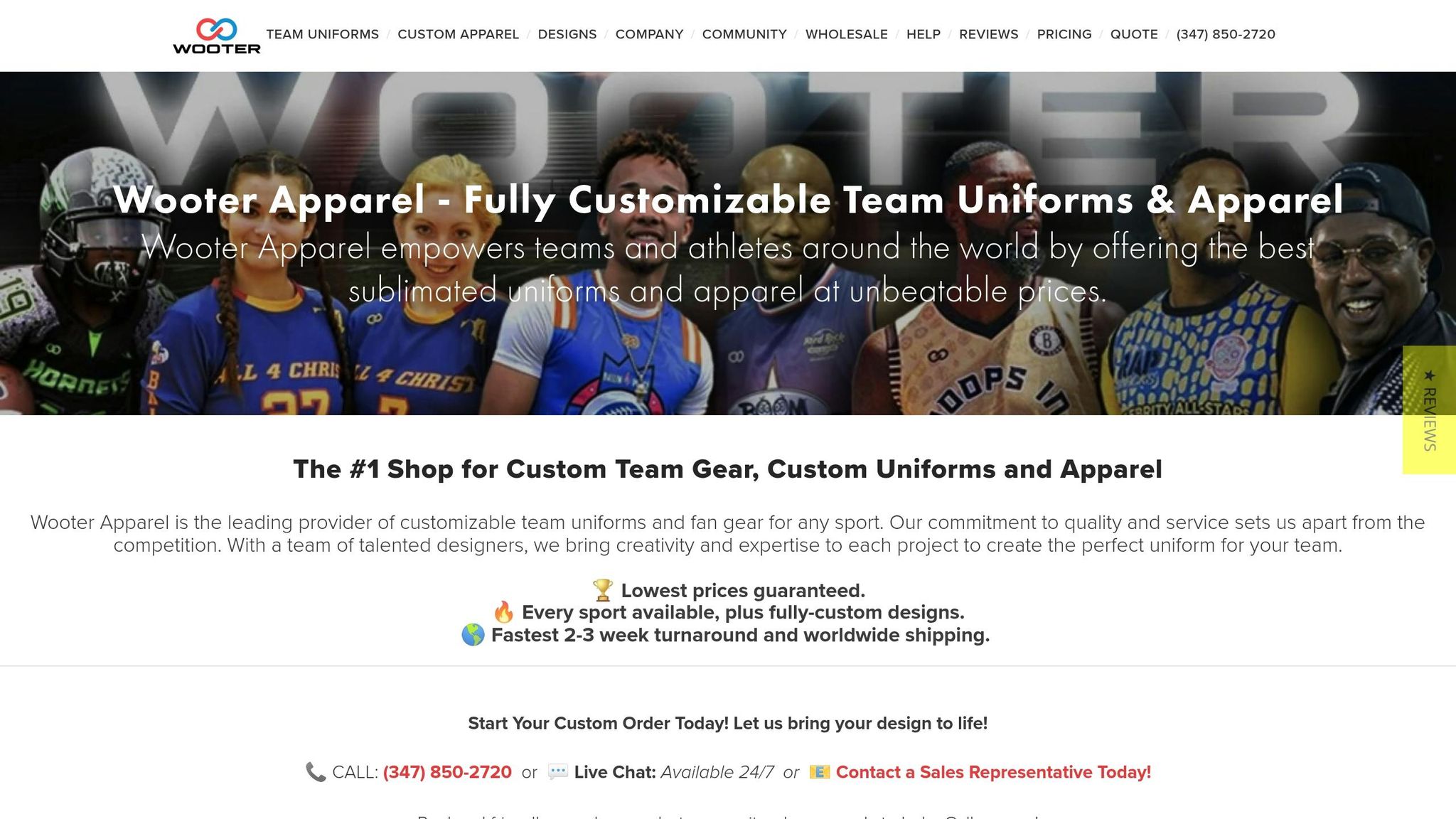
Wooter Apparel stands out as a top choice for antimicrobial custom sports uniforms. Known for their high-quality, fully sublimated uniforms across sports like basketball, football, baseball, softball, and soccer, they combine performance-driven materials with optional antimicrobial treatments.
What makes Wooter Apparel special is their dedication to durability, customization, and customer service. They offer free custom design services, so teams can create uniforms that showcase their identity while benefiting from antimicrobial features. Plus, their sublimated designs ensure graphics stay vibrant and intact, even after countless washes.
Their product lineup includes more than just jerseys – they also offer shorts, warmup gear, and accessories. With competitive pricing and a focus on quality, Wooter Apparel provides excellent value for teams looking to balance style, performance, and hygiene.
Wooter Apparel’s transparency is another big plus. They provide detailed documentation of their testing processes and quality standards, giving teams confidence that their uniforms will deliver both effective antimicrobial protection and lasting durability. Their personalized service and fast delivery have earned them a reputation as a trusted partner for teams wanting professional-looking uniforms that also prioritize hygiene.
| Key Manufacturer Criteria | Why It Matters for Antimicrobial Uniforms |
|---|---|
| Transparent Testing Process | Verifies antimicrobial efficacy through recognized standards |
| Durable Treatments | Ensures protection lasts through frequent washes |
| Customization Options | Meets team-specific design and performance needs |
| Proven Track Record | Demonstrates reliability and customer satisfaction |
Choosing a reliable manufacturer for antimicrobial uniforms can make a big difference. Benefits like reduced odor, better hygiene, and longer-lasting uniforms mean teams can focus on their game, knowing their gear is up to the challenge. By prioritizing transparent testing, durable treatments, and customer satisfaction, you can ensure your team gets uniforms that perform just as hard as they do.
Conclusion: Using Antimicrobial Testing to Ensure Performance and Hygiene
Antimicrobial testing plays a key role in maintaining both the performance and hygiene of custom sports uniforms. By adhering to established testing methods and manufacturer standards, teams can ensure their uniforms not only stand the test of time but also safeguard athlete health. This makes antimicrobial testing a smart investment in both durability and player well-being.
The FDA requires a 99.99% reduction in microbes, and independent lab certifications consistently confirm that uniforms meet this high bar, effectively combating bacteria like Staphylococcus aureus and Klebsiella pneumoniae – common threats in athletic environments.
For teams, making informed choices is essential. Requesting detailed test reports and independent lab certifications helps ensure that uniforms live up to their antimicrobial claims. Transparent documentation, whether it’s about bacterial reduction over 24 hours or durability after repeated washes, provides the assurance needed to invest in uniforms that deliver reliable performance season after season.
Beyond hygiene, tested antimicrobial treatments offer added benefits. They protect uniforms from microbial damage, reducing the risk of skin infections – a critical factor in contact sports where players share equipment and facilities. By preventing fiber breakdown caused by bacteria and fungi, these treatments also help uniforms retain their structure, vibrant colors, and performance quality over time. This not only reduces replacement costs but also enhances the overall value and longevity of the uniforms.
FAQs
How do antimicrobial treatments in custom sports uniforms help reduce skin infections and odors?
Antimicrobial treatments in sports uniforms are designed to stop bacteria, fungi, and other microorganisms from thriving on the fabric. These treatments use specialized agents embedded in the material to actively block microbial growth, helping uniforms stay fresher for longer.
This can be a game-changer for athletes involved in intense physical activity. By reducing the risk of skin issues like rashes or infections caused by sweat and extended wear, these uniforms promote better hygiene. For teams and players, the added benefit is not just improved comfort but also a healthier experience both on and off the field.
How can I verify the effectiveness of antimicrobial custom sports uniforms through test reports?
When examining a test report for antimicrobial custom sports uniforms, it’s crucial to check for evidence that the testing aligns with recognized standards like ASTM or ISO. These guidelines ensure the antimicrobial properties have undergone thorough and reliable evaluation.
Focus on specific details, such as the percentage reduction of bacteria or other microbes, the testing conditions (like temperature and humidity), and how long the antimicrobial effects last. The report should also clearly state which microorganisms were tested and outline the methods used in the evaluation.
Finally, confirm that the testing was conducted by a certified third-party laboratory. This adds an extra layer of assurance, ensuring the results are unbiased and accurate. With this information, you can trust that the uniforms are designed to support hygiene and performance, even during the most demanding sports activities.
How does antimicrobial treatment impact the durability and performance of custom sports uniforms over time?
Antimicrobial treatments are designed to keep sports uniforms fresh and hygienic by resisting bacteria, odors, and mildew – even after rigorous use. These treatments are crucial for maintaining the performance of the uniforms over time, as they help ensure the fabric continues to provide both protection and comfort.
To make these treatments last, manufacturers often bond them directly to the fabric during production, allowing them to endure repeated washing and wear. However, their durability can depend on several factors, including the type of fabric, how the treatment is applied, and how the uniforms are cared for. Simple steps like washing in cold water and avoiding harsh detergents can go a long way in preserving the antimicrobial properties, keeping your team’s gear in great shape for longer.