
What Is Roster Management?
The Step That Decides Everything Else
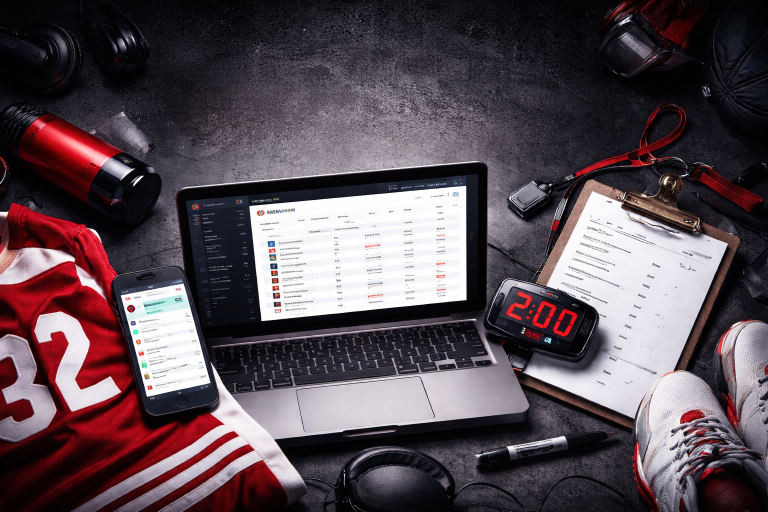
Roster management is the process of collecting player sizes, names, and jersey numbers in one organized place before you place a team apparel order.
It sounds basic. It is not.
This is the step that decides whether your order feels smooth or stressful. When player details are spread across chats, screenshots, and last-minute messages, mistakes show up fast. Wrong sizes. Duplicate numbers. Missing names. Forgotten coach gear. Delayed approvals.
A structured roster solves that.
It gives coaches, league organizers, and team managers one clear system for collecting the details needed to place an accurate custom uniform order.
What Your Roster Must Contain?
Player Full Name
Exactly as it should appear on the jersey, no nicknames unless intentional.
Jersey Number
Confirmed and locked early. Duplicate numbers create rework.
Jersey Size
Separate from shorts, players often order different sizes for each.
Shorts Size
Collect this independently. Assuming it matches the jersey is a common error.
Additional Apparel
Hoodies, warmups, jackets — each item needs its own size entry.
Coach & Staff Gear
Sideline apparel is routinely forgotten until the last moment.
The field-level detail below shows what each entry needs and why it matters:
| Field | Why It Matters | Priority |
|---|---|---|
| Player Full Name | Drives jersey personalization. It should match exactly how the name should appear on the final apparel. | Required |
| Jersey Number | Each number should be unique per player. Duplicate numbers can slow down review and create avoidable order issues. | Required |
| Jersey Size | This is item-specific. It should be collected directly instead of guessed from old orders or general team sizes. | Required |
| Shorts Size | Shorts often fit differently from jerseys, so they need their own separate size field. | Required |
| Extra Apparel Items | Warmups, hoodies, and jackets often need different sizes. Each extra item should be tracked individually. | Important |
| Coach / Staff Sizes | Staff gear is often forgotten. Add it early so the full order stays complete and organized. | Important |
Where Most Teams Lose Control?
Roster problems almost never happen because teams are careless. They happen because the collection process is poorly structured from the start. These are the patterns that consistently cause delays and errors:
The Usual Culprits
- Collecting sizes through group chats or DMs
- Letting players change numbers after review begins
- Splitting info across multiple sheets, notes, and docs
- Forgetting coaches and staff until after submission
- Missing late signups with no system to track them
- Never saving the final approved version
- Reviewing details only after the design is already locked
What Happens Next
Impact- Details get lost, contradicted, or never confirmed
- Design files need revisions, so production gets delayed
- One player’s entry gets overwritten or forgotten
- Sideline gear gets added late, sometimes at extra cost
- Late players end up with missing or incorrect items
- Next season’s order starts from zero again
- Mistakes get discovered after production begins, which makes them harder to fix
How to Collect Details?
Without the Chaos
1
Start With One Source of Truth
Use one shared form, spreadsheet, or system for all player details. The moment information splits across texts, chats, and notes, errors become inevitable. One document, one owner.
2
Lock Jersey Numbers Early
Set and confirm jersey numbers before the final review stage. Duplicates and changes that surface late create delays and can require design revisions. Lock them early, communicate the deadline clearly.
3
Collect Exact Sizes Per Item
Never ask for one general size and assume it applies everywhere. Jersey size, shorts size, hoodie size, each apparel item gets its own size entry. Players regularly differ between categories.
4
Review the Full Roster Before Approval
Before submitting, run through the complete list. Check for missing names, duplicate numbers, unfilled size fields, and any staff items that were not added. Catching these now costs nothing. After production begins, it costs time and money.
5
Save the Final Approved Version
Once the order is submitted and approved, archive that version. You will need it for replacement jerseys, late additions, and next season’s returning players. Teams that skip this step rebuild from scratch every cycle.
A Saved Roster Makes
Every Reorder Easier
A clean roster helps you get the first order right. A saved roster helps with every order that comes after. For most teams, that matters more than anything else in the long run.
This becomes especially valuable for teams running team stores or fan shops, where individual orders need to stay aligned with team branding, sizing, names, and numbers across multiple buying cycles. Your roster is the backbone that keeps everything consistent.
Start organized. Stay organized. The teams that invest in a structured roster once tend to never go back to the old way.
Build Gear With Confidence
Start with a structured roster, place your order without back-and-forth, and get personalized uniforms delivered right- the first time.