
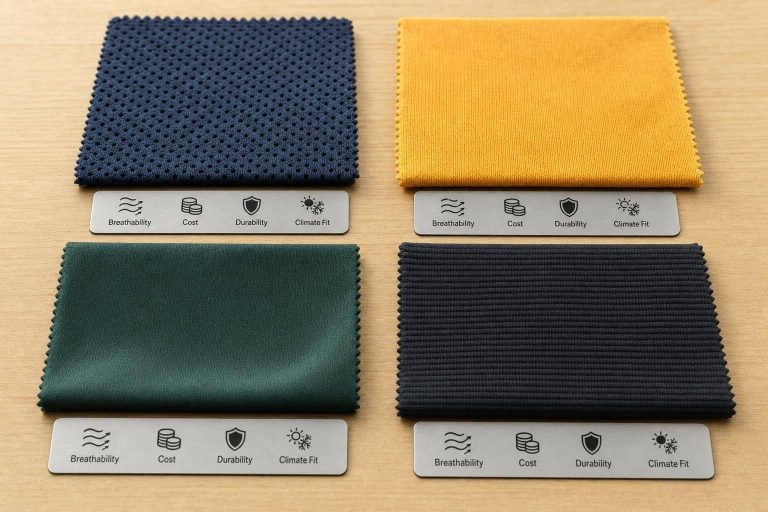
Sports Uniform Material Comparison Guide
Choosing the right team apparel starts with understanding how each fabric performs beyond the catalog description. A good sports uniform material comparison guide helps coaches, athletic directors, and team managers look at the details that affect real use: breathability, weight, durability, moisture control, and cost. Polyester remains a popular choice because it’s lightweight, colorfast, and easy to maintain, especially for sports with heavy sweat and frequent washing. Cotton blends offer a softer feel and can be more comfortable for casual wear or practice gear, though they usually retain more moisture during play.
What to Compare Before You Buy
The best uniform fabric depends on the sport, climate, and budget. Baseball programs may prioritize durability and easy care, while soccer or basketball teams often need lighter, quick-drying materials that stay comfortable in warm conditions. Performance knits and moisture-wicking fabrics are often favored for competitive use because they help move sweat away from the body.
Why Material Choice Matters
A reliable sports uniform material comparison guide makes it easier to match fabric features with real team needs. By comparing pros, cons, and ideal use cases side by side, buyers can choose uniforms that feel better, last longer, and make more sense for the season ahead.
FAQs
What uniform material is usually best for hot-weather sports?
For hot-weather play, polyester performance fabrics and lightweight moisture-wicking knits are usually the safest pick. They tend to dry quickly, resist holding sweat, and feel lighter during long matches or practices. Mesh panel fabrics can also help with airflow, especially in sports with constant movement like soccer or basketball. Cotton-heavy options may feel soft at first, but they often trap moisture and get heavier as players sweat.
Are cotton blends a bad choice for team uniforms?
Not necessarily. Cotton blends can work well for training tops, spirit wear, or lower-intensity programs where softness and casual comfort matter. The tradeoff is performance under stress: compared with polyester-based fabrics, cotton blends usually absorb more moisture, dry slower, and may lose shape faster with repeated athletic use. For competitive play, many teams use blends only when comfort or budget is the top priority.
How should a team balance budget and durability when choosing fabric?
Start by separating must-haves from nice-to-haves. If the uniforms need to survive a full season of frequent washing, sliding, or outdoor exposure, durability should carry more weight than the lowest upfront price. Mid-range polyester fabrics often give teams the best balance because they hold color well, resist wear, and are widely available. If the budget is tight, it helps to compare total value over a season rather than choosing the cheapest fabric on day one.