
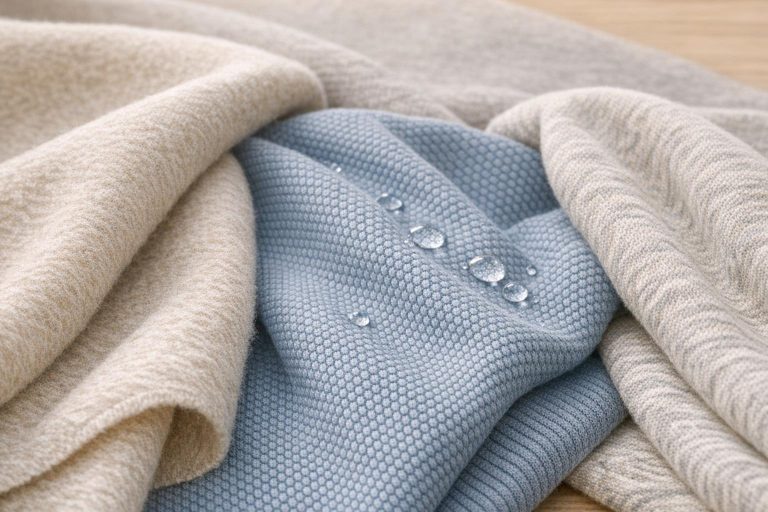
When you’re out skiing or snowboarding, staying dry is just as important as staying warm. Sweat that lingers on your skin can cool you down dangerously fast in cold weather. The solution? Choose fabrics that wick moisture effectively. Here’s what you need to know:
- Moisture-wicking fabrics pull sweat away from your skin and dry quickly, preventing chills and discomfort.
- Base layers are critical for managing sweat and maintaining warmth.
- Top fabric choices include polyester (fast-drying and affordable), merino wool (warm and odor-resistant), nylon (durable and flexible), and polypropylene (highly water-repellent).
Each fabric has strengths and weaknesses. Polyester is lightweight and quick to dry but can trap odors. Merino wool stays warm even when damp and resists odors but dries slower and costs more. Nylon is tough and stretchy, ideal for outerwear, while polypropylene excels at repelling moisture but can feel less comfortable against the skin.
For high-energy activities, synthetics like polyester or polypropylene are excellent. For multi-day trips, merino wool is a better pick due to its odor resistance. Blended fabrics combine the best of both worlds, offering versatility for various winter conditions.
Key Tip: Avoid cotton – it traps moisture, increases heat loss, and leaves you cold and damp.
Proper care is essential to preserve performance. Wash with cold water, skip fabric softeners, and air dry or use low heat to prevent damage. Reapply water-repellent treatments (DWR) periodically for outer layers.
Choosing the right fabric and maintaining it can make all the difference in your comfort and safety during winter sports.
How Moisture-Wicking Fabrics Work in Cold Weather
The Role of Sweat Management in Winter Sports
Even in freezing temperatures, your body generates heat and sweat when you’re skiing, snowboarding, or hiking uphill. The challenge? Managing that sweat to prevent rapid heat loss. If sweat lingers on your skin, it cools you down quickly, which can lead to chills – or worse, hypothermia.
The solution lies in creating an escape route for moisture. Sweat and heat build up near your skin, forming a temperature and humidity gradient. Moisture-wicking fabrics take advantage of this gradient, moving sweat from your skin to the outer surface of the fabric, where it can evaporate.
But there’s a catch: effective layering is just as important as the fabric itself. If your base layer wicks moisture but the mid-layer traps it, the sweat gets stuck. This leaves you feeling cold and damp as soon as you stop moving. As Lakeland Industries points out:
"If one component of the layering system lacks moisture wicking capabilities, your layering system will lose effectiveness."
To stay warm and dry, understanding the science behind these fabrics is key.
Key Properties of Moisture-Wicking Fabrics
Moisture-wicking fabrics rely on scientific principles to keep winter apparel lightweight, dry, and functional.
At the heart of the process is capillary action – the movement of liquid through tiny spaces in the fabric. Sweat is drawn along the fabric’s internal surfaces by molecular forces.
High-performance fabrics often combine two types of fibers for optimal results. Hydrophilic fibers (which attract water) pull sweat away from your skin, while hydrophobic fibers (which repel water) push it to the fabric’s outer surface. Research suggests that a 60/40 ratio – 60% hydrophobic and 40% hydrophilic – offers the best balance for wicking moisture without oversaturation.
Two other factors – breathability and quick-drying capability – are equally critical. Once sweat reaches the outer surface, it needs to evaporate quickly. If it doesn’t, the fabric becomes waterlogged and loses its ability to insulate. Synthetic fibers like polyester are excellent here, as they absorb almost no water and dry rapidly. Merino wool, on the other hand, can hold up to 30% of its weight in moisture while still feeling dry. Plus, it has a unique feature: it generates heat through "heat of sorption" when it absorbs moisture.
Interestingly, for moisture to wick effectively, the fabric must allow water to replace air around the fibers. If a fabric is too water-repellent, wicking won’t occur. The best fabrics achieve a contact angle of 0°, meaning water is absorbed immediately and moves efficiently through the material.
What Is The Science Behind Moisture-wicking Fabric Technology? – The Winter Sport Xpert
Best Moisture-Wicking Fabrics for Winter Sports
Let’s dive into four standout fabrics for winter sports gear and how each performs in cold-weather conditions.
Polyester: Lightweight and Budget-Friendly
Polyester is a go-to material for winter sports enthusiasts. It’s lightweight, durable, and easy on the wallet, making it a favorite for base and mid-layers. Thanks to its low moisture regain of just 0.4%, polyester excels at pulling sweat away from your skin and allowing it to evaporate quickly.
This quick-drying ability makes it perfect for high-energy activities like ski touring or backcountry snowboarding, where you’re bound to work up a sweat. Unlike natural fibers, polyester dries faster, helping you stay comfortable during breaks. However, it does have one drawback: it tends to hold onto odors after extended use.
"Synthetic base layers tend to be cheaper and more durable than merino, and wick sweat much better. However, they also tend to stink very quickly." – Matt Clark, LUEX Snow Expert
For single-day outings or activities where you can wash your gear regularly, polyester offers excellent performance at a reasonable price.
Merino Wool: Warmth Meets Odor Resistance
Merino wool takes a unique approach to moisture management. Instead of repelling water, it absorbs up to 30% of its weight in moisture, releasing it slowly to maintain comfort. This quality allows merino wool to stay warm even when damp.
What’s more, merino wool generates a small amount of heat through a process called "heat of sorption", which can help ease the transition from indoor warmth to outdoor chill.
"Merino is nature’s very own attempt at base layers… it manages moisture well, stays warm even when wet, and due to its in-built anti-bacterial properties can quite literally take WEEKS’ worth of sweat before it starts to smell." – Matt Clark, LUEX Snow Expert
Its natural antimicrobial properties mean you can wear merino wool for days without washing – perfect for multi-day ski trips. The downside? It’s pricier than synthetic fabrics and takes longer to dry.
Nylon: Tough and Flexible
While nylon isn’t often used as a primary base layer, it plays a key role in winter sports clothing. Known for its strength, elasticity, and resistance to mildew, nylon is commonly found in outerwear, shells, and compression layers. Its durability and stretch make it ideal for ski pants, jackets, and leggings where freedom of movement is crucial. Nylon dries quickly, though not as fast as polyester.
Polypropylene: The Ultimate Moisture Barrier
Polypropylene stands out as the most hydrophobic fabric in winter sports. Its moisture content capacity is practically zero, meaning it actively repels water and wicks sweat away with ease. It also has a low thermal conductivity (0.111), making it more efficient at retaining body heat compared to polyester or nylon.
"On days when you know you’ll be sweating a lot, HH Dry [polypropylene] is the stuff you want to be wearing: it manages moisture better than anything else we know of." – Matt Clark, LUEX Snow Expert
Polypropylene base layers are a top choice for extreme cold and high-intensity activities where staying dry is critical. However, it can feel a bit "plasticky" against the skin and needs careful handling during washing due to its lower heat tolerance.
Here’s a quick comparison of these fabrics’ key features:
| Fabric | Moisture Management | Drying Speed | Odor Resistance | Warmth When Wet |
|---|---|---|---|---|
| Polyester | Excellent | Fast | Low | Moderate |
| Merino Wool | Good | Slow | High | High |
| Nylon | Moderate | Moderate | Low | Moderate |
| Polypropylene | Excellent | Fast | Low | Moderate |
Each fabric brings something unique to the table, making it easier to find the right fit for your winter adventures.
Fabric Comparison Table for Winter Sports

Winter Sports Fabric Comparison: Moisture-Wicking Performance Guide
When choosing fabrics for winter sports, it’s all about matching performance metrics to your specific needs. Here’s a quick breakdown of key fabric characteristics:
| Fabric Type | Sweat Wicking | Warmth Retention | Durability | Odor Resistance | Best Use Case |
|---|---|---|---|---|---|
| Polyester | Excellent | Moderate | High | Low (unless treated) | High-intensity skiing/snowboarding |
| Merino Wool | Good | Excellent | Moderate | Excellent | Multi-day trips; cold-weather base layers |
| Nylon | Good | Moderate | Very High | Low | Outerwear; compression layers; leggings |
| Polypropylene | Excellent | High | Moderate | Low | Extreme cold; maximum moisture repellence |
| Blends (Wool/Poly) | Excellent | High | High | High | Versatile for various winter sports |
Key Insights on Fabric Choices
Synthetic options like polyester and polypropylene excel at moving moisture away from your skin. Their hydrophobic properties mean they repel water effectively, keeping you dry during intense activities. However, one downside is their tendency to trap odor-causing bacteria, especially if untreated.
On the other hand, Merino wool offers a unique advantage: it can absorb up to 30% of its weight in moisture while still maintaining warmth. This makes it a great choice for staying comfortable even when damp. Plus, its natural odor resistance is a game-changer for multi-day trips.
Blended fabrics, such as wool/polyester mixes, strike a balance between warmth, durability, and odor resistance. They can keep you feeling fresh for up to three days, making them a reliable option for versatile winter sports needs.
Choosing the Right Fabric for Your Activity
- High-intensity activities: Go for synthetics like polyester or polypropylene to stay dry and comfortable.
- Extended trips or multi-day adventures: Opt for Merino wool for its warmth and odor-resistance properties.
- All-around performance: Blended fabrics offer a solid mix of moisture-wicking, durability, and odor control.
sbb-itb-4d95ad3
Choosing Fabrics by Winter Sport
Skiing: Base Layers and Insulation Fabrics
Skiing demands thoughtful fabric choices since you’re constantly alternating between intense downhill runs and colder, stationary moments on the chairlift. For base layers, merino wool is a top pick for resort skiing and colder conditions. It keeps you warm, wicks moisture effectively, and naturally resists odors – a big plus when you’re active all day.
If you’re into activities like ski touring or uphill climbs, synthetic fabrics might be a better fit. They excel at wicking moisture and drying quickly, which is crucial when you’re working up a sweat. However, they come with a trade-off: they tend to hold onto odors more than wool.
When it comes to fabric weight, match it to your activity level and the weather. Lightweight fabrics are great for high-effort skiing or milder temperatures, midweight works well for typical resort conditions, and heavyweight is best saved for extremely cold days with minimal activity. Here’s a handy tip: go for 3/4 length base layer bottoms. They stop right where your ski boots start, avoiding uncomfortable bunching while still managing moisture effectively.
While these principles apply to snowboarding too, the gear often needs to handle more wear and tear.
Snowboarding: Outerwear and Layering Options
Snowboarding gear has to stand up to the elements and frequent contact with snow, so durability and water resistance are key. Fabrics like nylon and polypropylene shine here. Nylon, in particular, is known for its strength and abrasion resistance, making it perfect for the tough conditions snowboarders face.
For base layers, the same rules apply as with skiing: synthetics are great for moisture management during high-energy sessions, while merino wool is an excellent choice for warmth and odor control. The main difference lies in how you layer. Snowboarders often rely on a three-layer system to adapt to changing body temperatures throughout the day. Start with a snug base layer, add a breathable fleece mid-layer for insulation, and finish with a waterproof shell made from durable nylon to keep you dry and protected.
This layering system ensures you’re prepared for everything the mountain throws your way.
How to Care for Moisture-Wicking Fabrics
Taking care of moisture-wicking fabrics properly helps maintain their performance and durability by protecting the special finishes that make them effective.
Washing and Drying Guidelines
When it comes to washing moisture-wicking garments, always use cold water and wash them with similar colors. Avoid fabric softeners at all costs – they leave behind a waxy residue that blocks the fabric’s ability to wick moisture. As Ken Knapp, Editor Emeritus at REI, points out:
"When you use fabric softener, you’re basically trading moisture-wicking performance for a slightly softer feel".
Stick to detergents designed for technical apparel. Standard detergents can leave residues that compromise the fabric’s performance. If you don’t have a technical cleaner, a powdered detergent is a safer alternative as it’s generally gentler. Skip bleach and dry cleaning entirely, as both can harm synthetic fibers.
For drying, air drying is ideal, but if you prefer a dryer, use the low heat setting. High heat can weaken polyester and nylon fibers. To maintain water resistance, reapply Durable Water Repellent (DWR) every three to five washes. Heidi Dale Allen, Vice President of Marketing at Nikwax, advises:
"The best rule of thumb is, if your jacket or item looks dirty or is no longer repelling water, clean it".
A quick way to test your gear’s water resistance is to run water over it. If the water soaks in rather than beading up, it’s time to clean and reapply DWR.
| Practice | Recommended | Avoid |
|---|---|---|
| Water Temperature | Cold water | Hot water |
| Detergent Type | Technical/Specialized or Powdered | Standard liquid detergents, bleach |
| Additives | DWR treatments (every 3-5 washes) | Fabric softeners & dryer sheets |
| Drying Method | Air dry or tumble dry on low heat | High heat |
Once your gear is clean, proper storage is key to preserving its performance.
Storing Winter Sports Apparel
Storing your winter sports apparel the right way ensures it stays in good condition for next season. Start by washing all your gear before storage. Sweat, oils, and dirt can lead to permanent odors, bacterial growth, and even fabric damage. Make sure everything is completely dry – any lingering moisture can cause mold or mildew.
Avoid compressing insulated jackets or sealing them in vacuum bags. As Alex Lauver, Product Manager at Outdoor Research, explains:
"Down is organic and does break down over time. Long periods of compression do accelerate this".
Instead, hang hard shells, soft shells, and insulated jackets on sturdy hangers in a cool, dry closet to help them retain their shape. For stretchy items like leggings and moisture-wicking shirts, fold them to prevent stretching or unwanted hanger marks.
Conclusion
Picking the right moisture-wicking fabric isn’t just about comfort – it’s about staying safe and performing well in cold weather. Sweat that gets trapped in freezing conditions can lead to rapid heat loss. The right fabric helps pull that moisture away, keeping your body temperature steady.
Here’s the thing: even the best layering system won’t work if one layer traps moisture. Every piece, from your base layer to your outer shell, needs to have moisture-wicking properties to do its job effectively.
Match your fabric choice to the activity. Quick-drying synthetics are great for high-intensity activities, while merino wool is perfect for staying warm and managing odors during less active, colder days. Many winter athletes swear by hybrid blends, which combine the durability and fast-drying nature of synthetics with wool’s ability to regulate temperature naturally. This kind of thoughtful selection ensures you’re ready for anything winter throws at you.
One rule to live by: leave cotton out of your winter gear. It holds onto moisture, makes you sweat more, and speeds up heat loss in freezing conditions.
Lastly, take care of your gear. Skip fabric softeners – they can block the wicking ability of your clothing. With proper care, your gear will keep you dry, warm, and ready for action all season long.
FAQs
Why is moisture-wicking fabric essential for winter sports like skiing and snowboarding?
When it comes to winter sports, moisture-wicking fabrics are a game-changer. These materials work by pulling sweat away from your skin and drying quickly, keeping you dry and comfortable. This matters even more in cold weather because damp clothing can sap your body heat fast, leaving you feeling chilly and uncomfortable.
By staying dry, moisture-wicking fabrics help your body maintain a steady temperature, which is crucial for staying warm and focused – whether you’re carving down a ski slope or tackling a snowboarding run. Choosing the right gear isn’t just about comfort; it can completely elevate your performance and make your time on the slopes way more enjoyable.
What’s the best fabric for winter sports to stay dry and comfortable?
Choosing the right fabric for winter sports comes down to one essential feature: moisture-wicking. These fabrics draw sweat away from your skin and spread it across the surface of the material, allowing it to evaporate faster. The result? You stay dry, comfortable, and better able to manage your body temperature during intense activities. Some of the top choices include synthetic fabrics like polyester or polyester-spandex blends, known for their durability and quick-drying properties, and merino wool, which offers natural warmth and fights odor.
For high-energy activities like backcountry skiing or snowshoeing, lightweight polyester blends are a great option – they dry quickly and provide plenty of stretch for movement. On moderate-intensity days, such as hitting the slopes, mid-weight fabrics with extra breathability are a solid pick. For extremely cold or low-activity conditions, merino wool or wool blends are perfect for staying warm without that uncomfortable clammy feeling.
Regardless of your sport, layering remains the golden rule. Start with a moisture-wicking base layer, add an insulating midlayer for warmth, and top it off with a protective shell to shield against the elements. And if you’re gearing up a ski or snowboard team, Wooter Apparel offers custom, high-performance garments tailored to meet these fabric needs.
How can I take care of my moisture-wicking gear to make it last longer?
To keep your moisture-wicking gear in top shape, wash it in cold water on a gentle cycle. Skip the bleach and fabric softeners – they can weaken the fibers and reduce the fabric’s effectiveness. When it’s time to dry, avoid the dryer. Instead, lay your gear flat or hang it up to air-dry. This helps preserve its performance and fit.
For storage, choose a cool, dry spot away from direct sunlight to prevent fading and fiber damage. After wearing, rinse off sweat and dirt as soon as possible, and make sure the fabric, especially around the seams, is completely dry. This is particularly important if your gear has any water-repellent treatments. By following these simple care tips, your winter sports gear will stay reliable and ready for action season after season.