
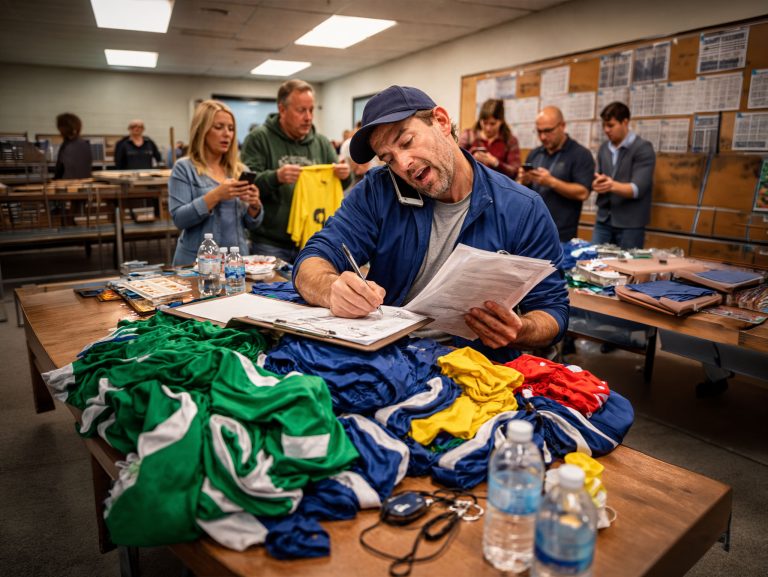
Organizing uniforms for a sports team or league sounds simple at first. In reality, it’s often one of the most frustrating administrative tasks that coaches, league directors, and team managers face every season.
What should be a straightforward process, collecting sizes and placing an order, can quickly spiral into a logistical nightmare. Parents submit sizes late. Players change numbers. Some athletes forget to respond at all. Meanwhile, the season schedule keeps moving forward, and the pressure to get uniforms ready keeps building.
If you’ve ever managed team apparel using spreadsheets, emails, or text messages, you’ve likely experienced the chaos firsthand.
The good news is that uniform ordering doesn’t have to be complicated. With the right systems and approach, organizations can eliminate most of the common problems that cause delays, incorrect orders, and unnecessary stress.
This guide breaks down why uniform size collection becomes chaotic, and how teams and leagues can avoid those problems entirely.
Why Uniform Size Collection Becomes So Difficult
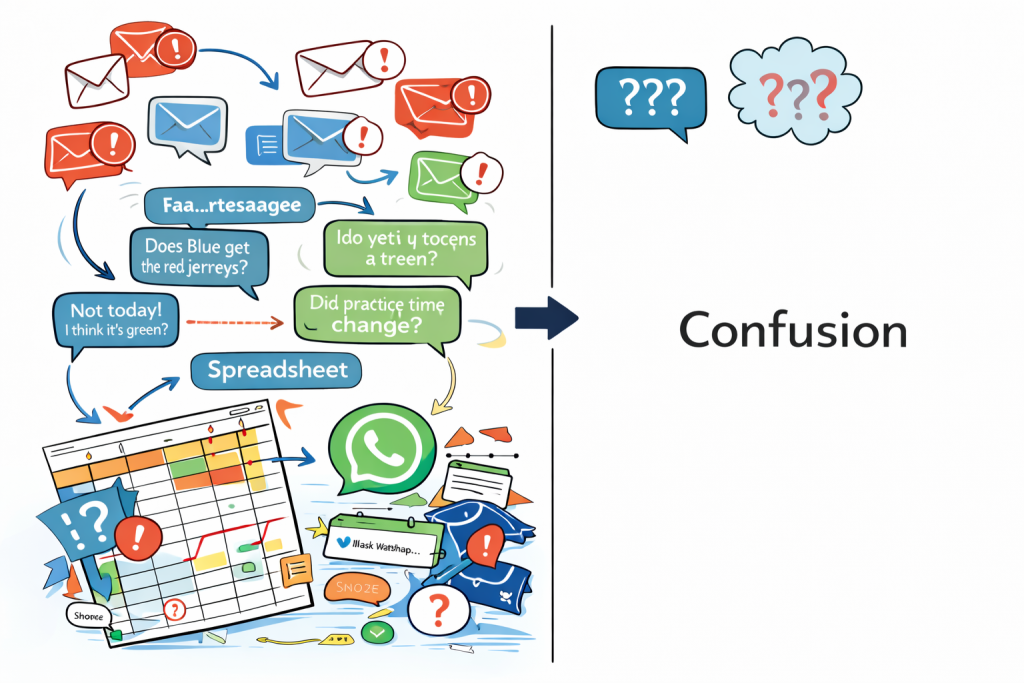
Many teams still manage uniform orders the same way they did years ago: manually. Coaches send emails asking parents for sizes, track responses in spreadsheets, and try to compile everything into a single order.
While this approach might work for a small group, it quickly becomes inefficient as teams grow.
Some of the most common challenges include:
Late responses from parents or players
Even when reminders are sent, many parents forget to submit sizes on time. Coaches often end up chasing responses through multiple channels.
Conflicting information
Parents may send sizes through email, text messages, or messaging apps. Keeping track of these responses becomes confusing.
Spreadsheet errors
Manual data entry increases the chances of mistakes, such as incorrect sizes or duplicate entries.
Last-minute changes
Players sometimes switch numbers, change sizes, or join the team late. Managing these updates manually can disrupt the entire order.
Lack of clear organization
When information is scattered across multiple emails or documents, it becomes difficult to verify whether every player has submitted their details.
For teams managing uniforms for 15 or 20 players, these issues are inconvenient. For leagues coordinating apparel for hundreds of athletes, it can become overwhelming.
The Real Cost of Uniform Ordering Chaos
At first glance, a uniform-size collection may seem like a minor administrative task. However, the consequences of poor organization can affect the entire season.
Delayed Uniform Delivery
When teams struggle to collect sizes on time, the uniform order itself is often delayed. This can result in players starting the season without proper gear.
For leagues hosting tournaments or opening day events, late uniforms can create unnecessary embarrassment and frustration.
Incorrect Sizes
Manual spreadsheets increase the risk of ordering the wrong sizes. When mistakes happen, teams may need to reorder items or deal with players wearing uniforms that don’t fit properly.
Extra Administrative Work
Coaches and administrators often spend hours tracking down missing information, sending reminders, and correcting errors. This time could be better spent focusing on player development and team operations.
Budget Problems
Ordering incorrect sizes or missing items may require additional purchases later in the season. These unexpected costs can strain team budgets.
Frustrated Parents and Players
Parents expect organized programs. When uniform distribution becomes chaotic, it reflects poorly on the organization, even if the coach is doing their best with limited resources.
The Traditional Uniform Ordering Process (And Its Problems)
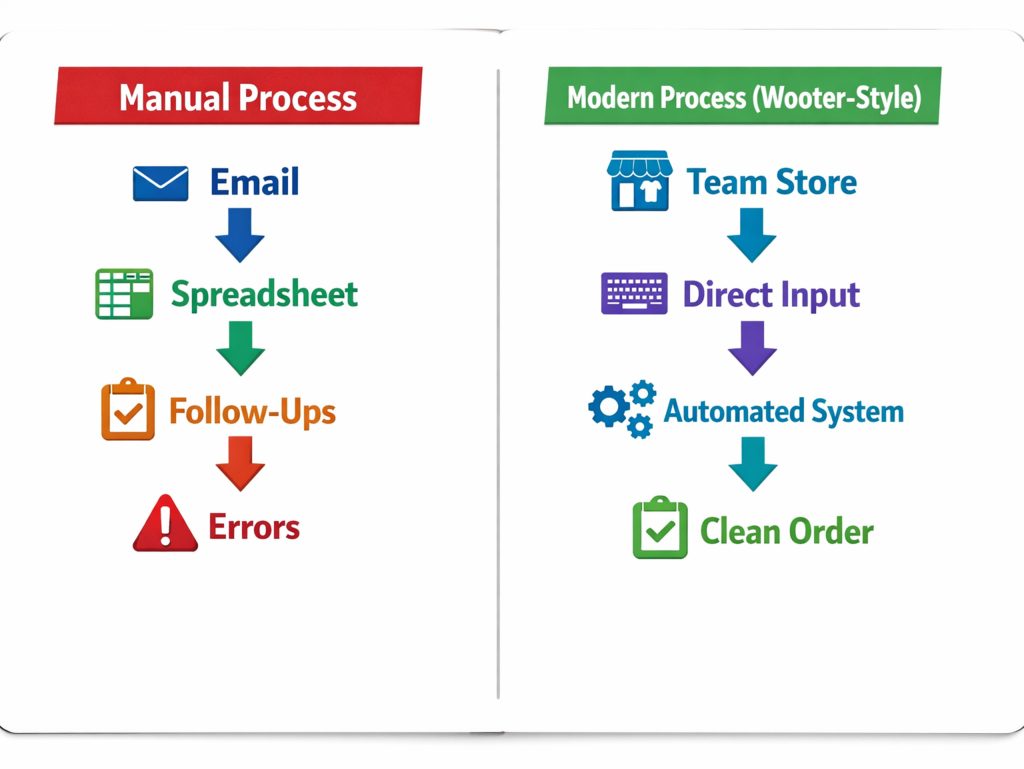
To understand how uniform chaos happens, it’s helpful to look at the typical process many teams still follow.
The traditional workflow often looks something like this:
- Coach sends an email asking parents for sizes
- Parents respond at different times through various channels
- Coach enters sizes manually into a spreadsheet
- Missing responses require follow-up messages
- Spreadsheet is updated multiple times
- Final order is submitted to the supplier
At each step, there are opportunities for confusion and mistakes.
For example:
- A parent sends a size through text message instead of email
- The coach accidentally enters the wrong number into the spreadsheet
- A player joins the team after the order has already been placed
These small issues add up quickly.
Signs Your Team Is Experiencing Uniform Collection Chaos
If you’re not sure whether your current system is causing problems, here are some warning signs that uniform ordering may be inefficient.
You’re constantly reminding parents to submit sizes
If collecting basic information requires multiple follow-up messages, your system may be too manual.
Your spreadsheet keeps changing
When spreadsheets are updated repeatedly, the risk of mistakes increases.
Parents ask questions about whether their order was submitted
Uncertainty about whether information was received is a common sign that the process lacks transparency.
You’ve had to reorder uniforms in previous seasons
Frequent reorders often indicate that the initial order process isn’t working well.
Uniforms arrive after the season begins
Delayed ordering timelines usually stem from difficulty collecting information in the first place. If any of these issues sound familiar, you’re not alone. Many organizations face the same challenges every season.
A Better Way: Modern Uniform Ordering Systems
As youth sports organizations grow, many are moving away from manual ordering processes and adopting digital systems that simplify the entire workflow.
Instead of relying on spreadsheets and emails, modern ordering platforms allow players and parents to submit their own sizes through an organized system.
These platforms typically use online team stores, which allow organizations to collect orders directly from players while automatically tracking all necessary information. This approach removes much of the manual work that traditionally falls on coaches and administrators.
How Online Team Stores Simplify Size Collection
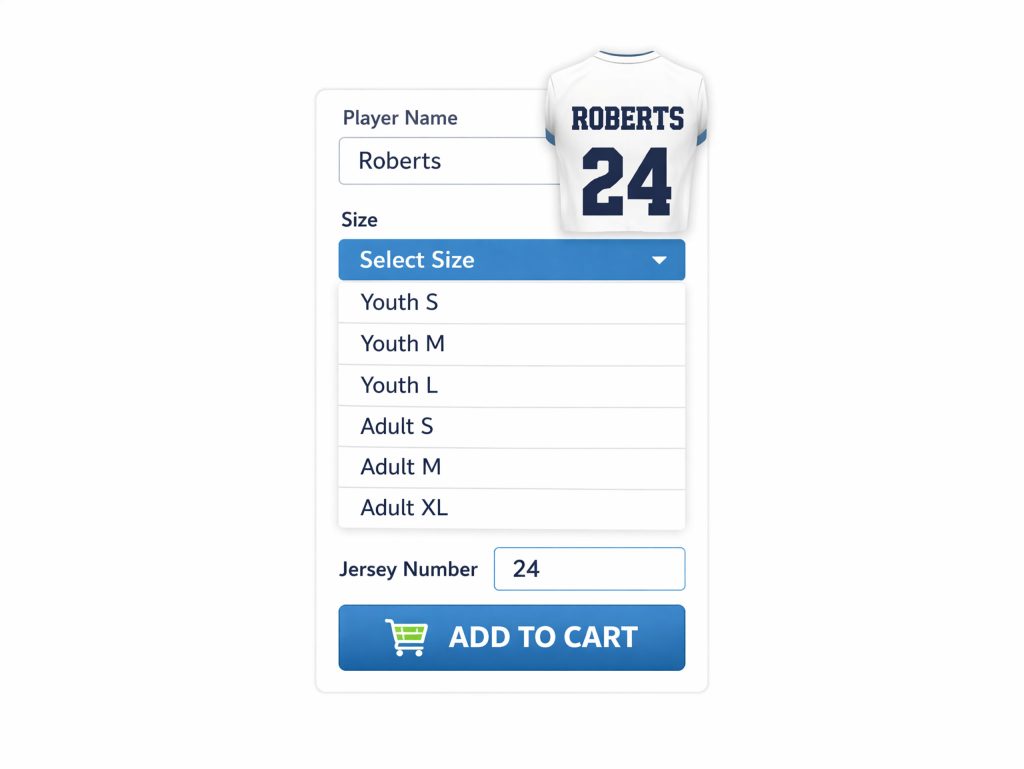
Online team stores provide a structured way for players and parents to submit uniform orders.
Instead of sending information through email or text, each player completes their order through a dedicated platform.
The process usually works like this:
- The team or league launches an online team store
- Parents receive a link to access the store
- Players select their sizes and customize their uniforms if needed
- Orders are automatically recorded in the system
- The organization receives a finalized order without manual data entry
Because the information is submitted directly by players or parents, the risk of data-entry errors is significantly reduced.
Benefits of Using an Online Ordering System
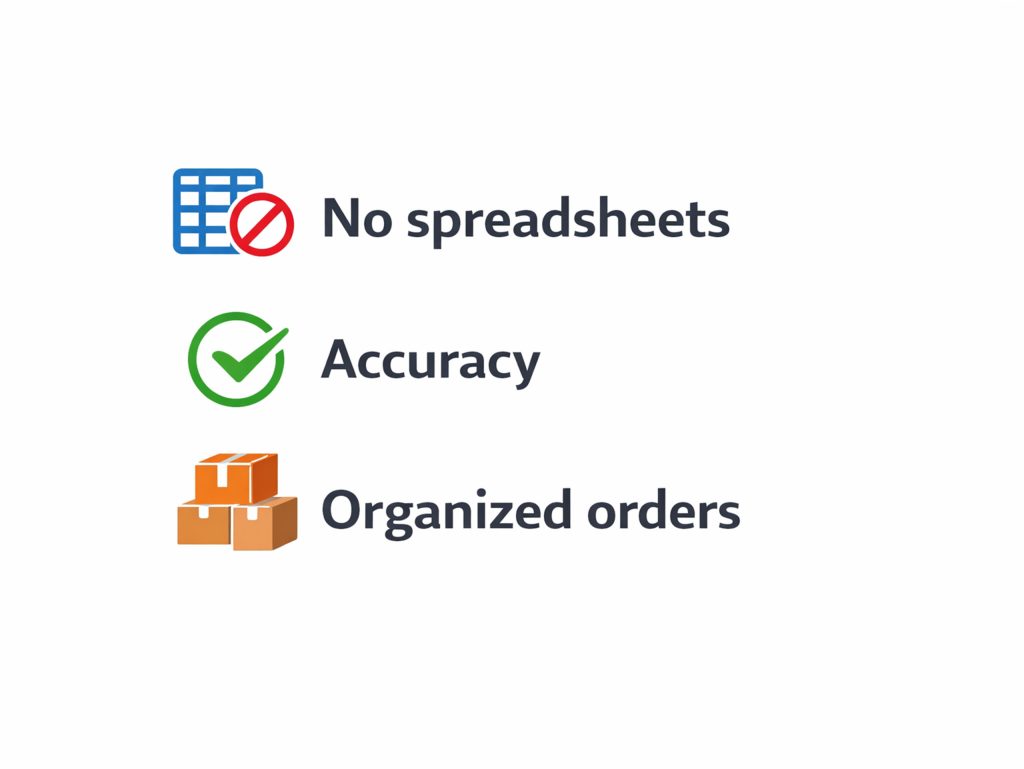
Organizations that switch to digital ordering systems often see immediate efficiency improvements.
Here are some of the key benefits.
Eliminates Manual Spreadsheets
Because players submit their own information through the system, coaches no longer need to compile spreadsheets manually.
This alone can save hours of administrative work.
Reduces Ordering Errors
Automated systems reduce the likelihood of mistakes caused by manual data entry.
Players select their own sizes and numbers, ensuring greater accuracy.
Keeps Orders Organized
All order details are stored in a single system, making it easy to verify whether every player has submitted their information.
Simplifies Communication
Instead of sending multiple reminders through different channels, administrators can manage ordering deadlines through one platform.
Makes Reorders Easier
If new players join mid-season, additional orders can often be placed quickly without disrupting the original order.
Best Practices for Collecting Uniform Sizes Efficiently
Even with a modern system in place, following a few best practices can help ensure a smooth ordering process.
Set Clear Deadlines
Give players and parents a specific deadline for submitting their uniform sizes. Communicating this deadline early helps prevent last-minute delays.
Provide Size Charts
Including clear sizing charts helps parents choose the correct size for their child.
This reduces the risk of incorrect orders.
Send Early Reminders
Sending reminders a few days before the deadline can significantly increase response rates.
Keep the Process Simple
The easier it is for parents to submit their information, the more likely they are to complete the process quickly.
Complex ordering systems often discourage participation.
Plan for Late Registrations
Some players inevitably join teams after the initial order window closes. Having a system in place to handle late additions can prevent disruptions.
How Technology Is Changing Team Apparel Ordering
Over the past decade, many aspects of sports management have become more digital. Registration systems, scheduling platforms, and payment tools have all evolved to make league operations easier.
Uniform ordering is now undergoing the same transformation.
Organizations are increasingly adopting systems that automate the most time-consuming parts of the apparel process.
These systems allow administrators to focus less on logistics and more on building successful programs for their athletes.
Why Many Teams Are Switching to Structured Apparel Platforms
Teams and leagues are beginning to realize that apparel ordering doesn’t need to be a complicated administrative task.
Platforms designed specifically for sports organizations can handle many aspects of the process automatically, including:
- Size collection
- Order tracking
- Customization management
- Production coordination
- Delivery organization
By using a structured platform, organizations gain greater control over the entire uniform ordering process.
This leads to fewer mistakes, faster production timelines, and a better experience for everyone involved.
Creating a Better Uniform Experience for Your Team
Uniforms play an important role in sports. They create a sense of identity, unity, and pride for players. But behind the scenes, organizing those uniforms can sometimes feel like a full-time job.
The good news is that it doesn’t have to be that way.
By replacing manual spreadsheets and scattered communication with organized ordering systems, teams and leagues can eliminate many of the challenges that cause uniform ordering chaos.
A streamlined process not only reduces stress for coaches and administrators—it also ensures that players receive their gear on time and in the correct sizes.
When the apparel process runs smoothly, organizations can focus on what matters most: developing athletes, building strong teams, and creating memorable sports experiences.