
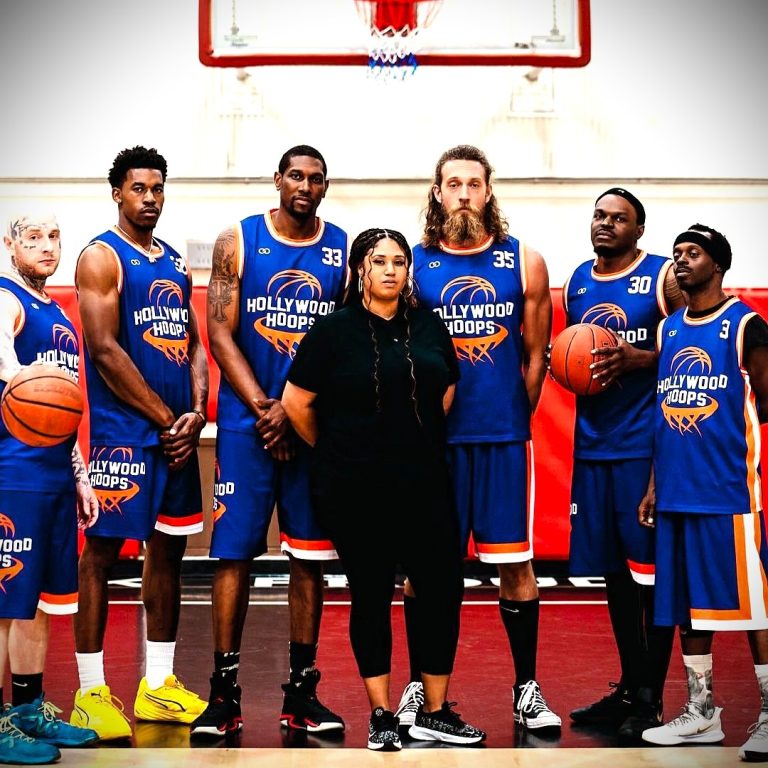
Choosing custom basketball uniforms is not just about picking colors your team likes. It is about choosing a uniform that fits well, feels good in motion, stays readable during live play, and makes the order process easier to manage.
Quick Answer: What Matters Most?
The best custom basketball uniforms combine proper fit, breathable and durable fabric, clear on-court readability, and a smooth team-order process. Before choosing a design, teams should think about how the uniforms will be used, how players want them to fit, how visible names and numbers will be during play, and how the team will handle sizing, approvals, and possible reorders. A uniform that looks good matters. A uniform that performs well and arrives without team-order confusion matters more.
That is where many teams get stuck. A uniform can look strong in a digital preview and still disappoint once the season starts. The fit may feel off. The fabric may feel too heavy in warm gyms. The numbers may not stand out clearly. The order may become stressful once names, sizes, and late roster changes start coming in.
That is why the best team orders start with the right decisions early. If you are trying to choose custom basketball uniforms, focus on four things first: fit, fabric, readability, and ordering process. When those four are handled well, your uniforms are far more likely to look sharp, play well, and hold up through the season.
Start With Team Reality, Not Just Team Style
Before comparing fonts, colors, or graphic ideas, step back and define what your team actually needs.
Think About Who the Uniforms Are For
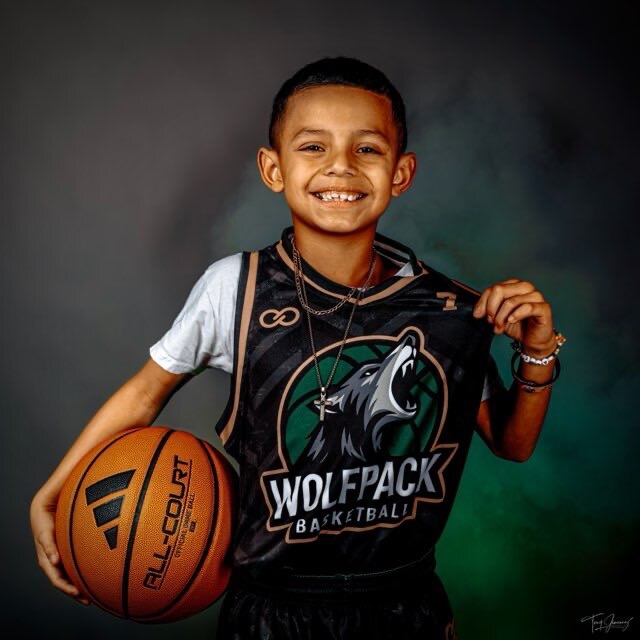
A youth rec team does not need the same thing as a high school program, an AAU roster, a club team, or an adult league squad. That is why it helps to think through custom youth basketball uniforms differently from older-team orders.
Younger teams may need more flexibility in sizing and room for growth. Older competitive teams may care more about sharper fit, stronger durability, and a more polished game-day look.
Think About How Hard the Uniforms will Be Used
Some teams only need a simple game-day set. Others need uniforms that can handle tournament weekends, travel, repeat washing, and a long season without losing comfort or appearance.
That changes what should matter most. Lighter-use teams may care more about design and budget. Heavier-use teams usually need better durability, better comfort, and a smoother reorder plan.
Think About What You are Actually Ordering
Some teams only need jerseys and shorts. Others need home and away sets, shooting shirts, warmups, or extra pieces for late additions.
Ask the practical questions first. Are these uniforms only for games? Will players wear them for travel or events? Does the team want a basic set or a more complete look?
These answers shape every choice that comes next.
Choose Fit Like It Affects Performance
Fit can make or break a basketball uniform.
Players need to run, cut, jump, defend, rebound, and shoot without feeling restricted through the shoulders, chest, hips, or shorts. If the jersey pulls in motion or the shorts feel awkward during play, players notice it fast. On the other hand, an oversized uniform can look sloppy and feel less controlled on court.
Loose Fit or Athletic Fit?
Some teams prefer a more traditional loose basketball fit. Others want a cleaner athletic cut that still leaves enough room for movement.
Neither is automatically better. The right answer depends on age group, level of play, and what players actually prefer. Youth programs may need to think about growth during the season. High school, club, and travel teams may care more about a sharper modern look while still keeping comfort high.
Why Sizing Mistakes Happen?
Most sizing problems start with guesswork.
Coaches collect sizes casually. Parents estimate. Players assume one brand fits like another. The result is often a uniform that technically fits but does not feel right in a real game.
That creates frustration, replacement costs, and delays that could have been avoided.
How to Size More Accurately?
A better process is to collect sizes in one place, review them before production, and check basketball sizing charts before locking the roster.
Do not treat sizing like a last-minute detail. Good fit improves comfort and confidence while reducing costly corrections later.
Pick Fabric for Real Games, Not Just a Product Photo
Fabric is one of the biggest quality decisions in a custom basketball uniform order.
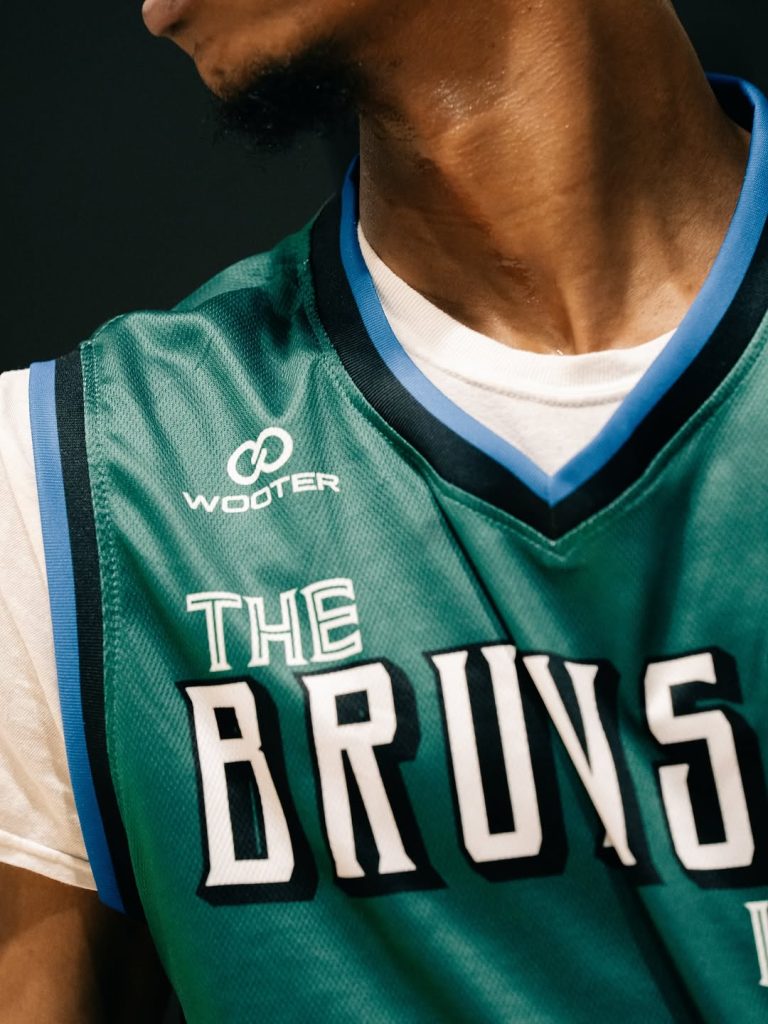
Players feel fabric immediately. In a warm gym, during a long tournament day, or across repeated weekly games, the wrong material can feel heavy, stiff, or distracting very quickly. The right fabric helps players stay comfortable and helps the uniform look better through real use.
What Players Notice First?
Players usually notice comfort before anything else.
If the fabric feels too hot, too rigid, or too heavy, the uniform becomes part of the problem. Basketball uniforms should feel breathable, lightweight, and easy to move in.
That matters even more for teams playing multiple games in a short span.
What Teams Should Care About Over Time?
Comfort matters, but durability matters too.
A uniform that looks great when it arrives but loses its feel or finish too quickly is not a strong long-term choice. Teams should think about repeated washing, busy schedules, and whether the uniform will still look sharp deep into the season.
That is why it helps to review a fabric guide for custom team uniforms before choosing materials.
Why Print Method Matters?
The print method affects both look and feel.
For many teams, sublimated custom basketball uniforms are a strong option because the design becomes part of the garment instead of feeling like a layer placed on top. That can help the final product feel cleaner while keeping the design more consistent over time.
A lower price may look attractive at first, but if the fabric traps heat, wears down quickly, or loses its finish after repeated washing, the value drops fast.
Build a Design That Still Works in Live Play
A basketball uniform should look good, but it also needs to work during a real game.
That means the design has to perform in motion, from a distance, and under pressure.
Make Names and Numbers Easy to Read
Your team name, player names, and jersey numbers need to stay clear from the bench, the scorer’s table, and the stands.
If contrast is weak, the font is overly decorative, or the number size is too small, the uniform may look impressive in a close-up preview but weak in actual play. Readability should never be treated like a finishing touch. It is one of the main jobs of the uniform.
Keep Graphics Balanced
This is one of the most common mistakes teams make when choosing custom basketball jerseys for teams.
They chase a dramatic design, add too many elements, or try to squeeze too many visual ideas into one jersey. The result often feels crowded instead of professional.
A better design usually feels balanced. The colors create strong contrast. The numbers stand out clearly. The logo has room to breathe. Smart basketball logo placement helps the jersey look polished without feeling overloaded.
Use the Mockup for Decision-Making, Not Just Approval
This is one of the most common mistakes teams make when choosing custom basketball jerseys for teams.
They chase a dramatic design, add too many elements, or try to squeeze too many visual ideas into one jersey. The result often feels crowded instead of professional.
A better design usually feels balanced. The colors create strong contrast. The numbers stand out clearly. The logo has room to breathe. Smart basketball logo placement helps the jersey look polished without feeling overloaded.
Check Rules Before You Approve Anything
Even a strong design can become a problem if it does not match the rules your team has to follow.
What Teams Should Confirm?
Depending on the level of play, there may be expectations around jersey numbers, logo placement, sponsor elements, color use, or matching between jerseys and shorts.
School teams may also need to stay aligned with existing branding or approval standards. Tournament play may come with its own restrictions too.
Why This Step Matters?
This step is easy to overlook when everyone wants to finish the design quickly.
But late changes can waste time, delay production, and create avoidable stress. A quick rules check before the order moves forward is much smarter than fixing problems after approval.
Judge Value Across the Season, Not Just on Day One
Budget matters, but the cheapest option is not always the smartest one.
A low upfront price can look appealing, especially for youth programs, school teams, and organizations watching every dollar. But a better question is this: what is your team actually getting for the money?
What Affects Cost?
Fabric quality matters. Customization level matters. Quantity matters. Extra pieces, warmups, and add-ons matter too.
That is why price should be judged in context, not in isolation.
Why Cheap Can Cost More Later?
A lower-cost uniform may save money early, but it can become frustrating later if the fit feels wrong, the material disappoints, or extra uniforms become hard to match and reorder.
The strongest buying decision is usually the one that reduces problems, lasts longer, and makes the season easier to manage.
Treat the Order Like a Workflow
A lot of uniform problems are not design problems at all. They are process problems.
The sizes come in late. A player’s name is misspelled. Two athletes want the same number. A mockup is approved too quickly. A late roster change creates stress right before the first game.
None of that is unusual. It happens when teams treat the order like a simple purchase instead of a real uniform order process.
Collect the Right Information Early
Before the order moves forward, collect player names, sizes, and numbers in one organized place. Review everything carefully. Confirm spellings. Catch duplicate numbers early.
This step has a direct effect on how smoothly the order goes.
Review the Mockup Carefully
Mockups are not only for checking whether the uniform looks good.
They are also the stage where teams should review name placement, number visibility, logo balance, and overall design clarity before production starts.
Plan for Reorders and Late Players
Think ahead. Will you need extras for late additions? Do you expect replacements during the season? Will the design need to stay consistent for future players?
This is where Wooter’s workflow angle matters. If you want a cleaner way to manage team details, mockups, and approvals, you can point readers toward UniformOS.
Final Check Before You Place the Order
Before the order is approved, make sure the core decisions are already clear.
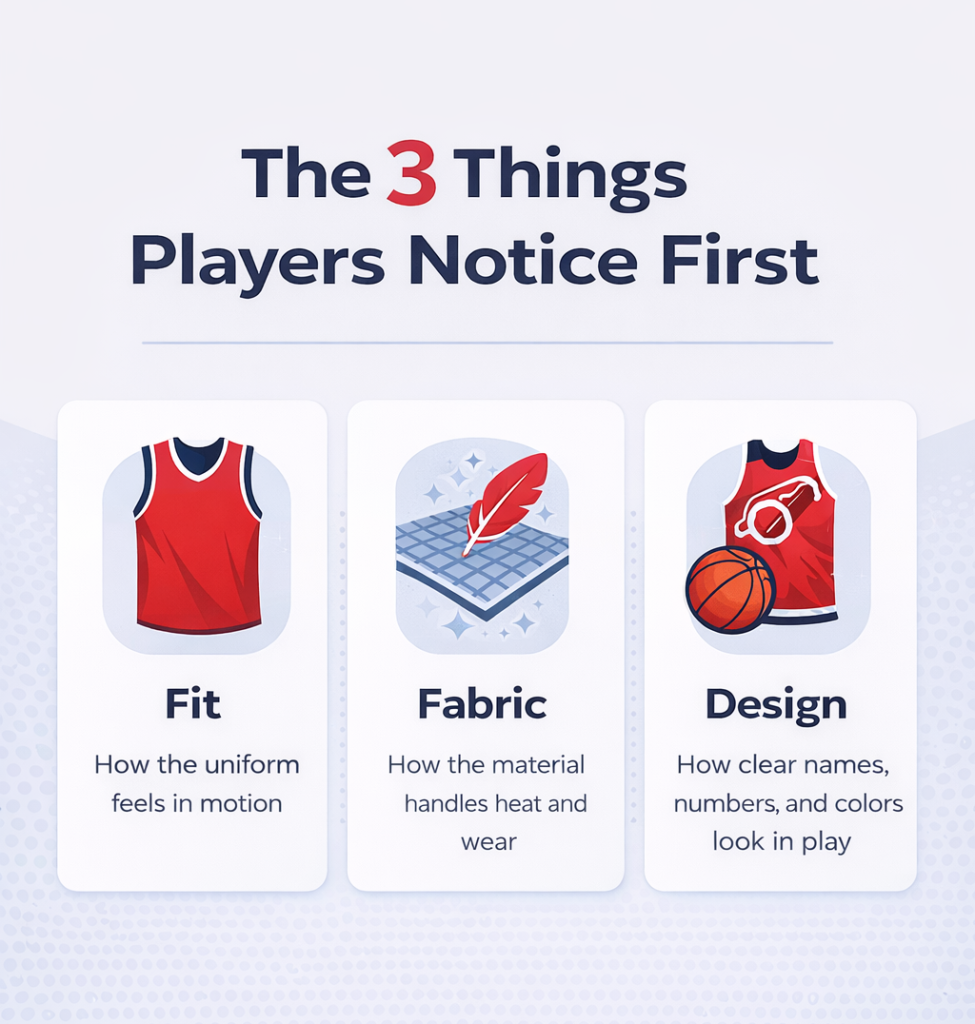
- Fit: Players should be comfortable with the cut and sizing before production begins.
- Fabric: The material should feel good in motion and hold up through the season.
- Design: Names, numbers, colors, and logo placement should be easy to read and visually balanced.
- Rules: League, school, or tournament requirements should be checked before approval.
- Timeline: Leave enough time for changes, production, and delivery.
- Reorders: Think ahead about late additions and replacement pieces.
When those points are handled well, the final order becomes much easier to approve with confidence.
Frequently Asked Questions About Custom Basketball Uniforms
How far in advance should teams order custom basketball uniforms?
Start as early as possible so you have time to collect sizes, confirm names and numbers, review mockups, and make corrections before the season begins. Early planning reduces rushed approvals and last-minute stress.
What fabric is best for custom basketball uniforms?
The best fabric usually feels lightweight, breathable, and durable enough for repeated games and washing. Teams should think about comfort in motion, heat management, and long-term wear, not just how the uniform looks in a preview.
Should basketball uniforms fit loose or athletic?
That depends on team preference, age group, and level of play. Some teams prefer a looser traditional fit, while others want a cleaner athletic cut. The key is making sure players can move freely and comfortably.
How many custom basketball uniforms should a team order?
Think beyond the exact starting roster. It helps to plan for replacements, late additions, and other changes that may come up during the season. Ordering only the bare minimum can create problems later.
What is the best printing method for custom basketball uniforms?
For fully custom basketball uniforms, many teams prefer sublimation because it supports detailed all-over design and helps the final look stay more consistent over time.
Are reversible basketball uniforms a good choice?
Reversible uniforms can work well for practice, rec programs, or teams trying to cover multiple needs with fewer pieces. They are not the best fit for every program, though, especially if the team wants a more premium game-day look.
What details should a coach or team manager collect before placing an order?
Collect player names, sizes, preferred numbers, timeline needs, and any league or school requirements. It also helps to decide early whether the team needs only jerseys and shorts or extra pieces like shooting shirts or warmups.
How do teams avoid mistakes with names, sizes, and numbers?
Collect everything in one organized system and review it carefully before approval. Mistakes usually happen when details are shared casually across texts or verbal updates.
Ready to Design Custom Basketball Uniforms Your Team Will Actually Want to Wear?
The best team orders are not only well designed. They are well organized.
If you want custom uniforms that look sharp and feel easier to manage from sizing to mockup approval, explore custom basketball uniforms and take the next step with a process built for real team orders.