
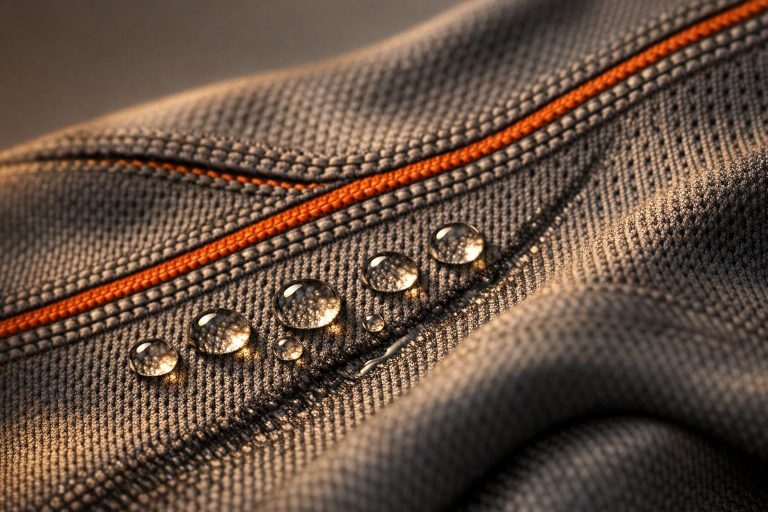
Hybrid fabrics are changing the game for team uniforms by combining natural fibers like organic cotton or hemp with synthetic materials such as recycled polyester. This blend delivers key benefits:
- Performance: Moisture-wicking, breathability, and durability keep athletes comfortable during intense games.
- Comfort: Soft textures and stretch support movement without compromising fit.
- Eco-Friendly: Materials like recycled polyester reduce waste and require less energy and water to produce.
For sports like basketball, soccer, or baseball, these fabrics offer better sweat management, long-lasting wear, and a smaller environmental footprint. Whether you’re outfitting youth or professional teams, hybrid fabrics ensure players stay focused on the game while supporting responsible material choices.
What Are Hybrid Fabric Blends?
Definition and Composition
Hybrid fabric blends combine natural and synthetic fibers to take advantage of the unique strengths of each. Unlike traditional fabrics made entirely from one type of fiber – like 100% cotton or pure polyester – these blends use carefully chosen ratios to enhance performance.
For example, a common mix might be 60% recycled polyester and 40% organic cotton, or 70% modal paired with 30% recycled polyester. Hemp blends often include spandex or recycled polyester, adding stretch and quick-drying features while keeping hemp’s natural UV resistance and antimicrobial qualities intact.
These blends stand out because they address the limitations of single-fiber fabrics. Pure cotton, for instance, tends to absorb sweat and fade over time, while polyester, though durable, can lack softness. Hybrid fabrics combine the best of both worlds, offering softness, quick-drying properties, and the ability to maintain their shape – even after countless games and washes.
This thoughtful fiber engineering is essential for tackling the specific challenges of teamwear.
Why They Matter for Teamwear
Hybrid blends shine in the demanding world of sportswear, where movement, comfort, and temperature regulation are critical. Unlike single-fiber fabrics, these blends are designed to handle the intense conditions of athletic performance.
They also bring an added bonus: a reduced environmental footprint. Recycled polyester, for instance, requires less energy and water to produce compared to virgin polyester, while still delivering the same durability and performance. When paired with organic cotton or hemp, these blends not only last longer but also help cut down on textile waste.
For teams ordering uniforms, this means getting gear that performs on the field while aligning with responsible and sustainable sourcing practices. It’s a win-win for both athletes and the planet.
Key Benefits of Hybrid Fabrics in Team Uniforms
Performance Improvements
Hybrid fabrics are game-changers when it comes to moisture management. The synthetic fibers work to pull sweat away from the skin, while the natural fibers help regulate body temperature. This balance keeps athletes dry and comfortable, whether they’re playing under the scorching summer sun or in cooler conditions.
Another big win? Durability. Unlike traditional cotton uniforms that tend to lose shape and fade after repeated washes, hybrid fabrics hold up season after season. The synthetic components ensure strength and shape retention, while natural fibers add a touch of softness and breathability.
Comfort Features
When it comes to comfort, hybrid fabrics deliver in spades. By blending natural fibers like organic cotton or modal, these fabrics provide a softness that pure polyester simply can’t match. They also offer built-in stretch, which supports quick movements, pivots, and all the action athletes bring to the game. Plus, these fabrics adapt to temperature changes, keeping players cool in the heat and cozy in the cold – making them a solid choice for year-round performance.
Environmental Benefits
Hybrid fabrics aren’t just about performance and comfort – they also score points for being eco-friendly. Producing these materials uses less energy and water compared to traditional options. Recycled polyester, for instance, performs just as well as its non-recycled counterpart while promoting environmental responsibility. And let’s not forget hemp, a superstar natural fiber that grows quickly, uses minimal water, and even enriches the soil it grows in.
These fabrics also align with circular economy principles. By incorporating recycled fibers and balancing natural with synthetic materials, hybrid fabrics help reduce raw material usage and environmental impact. Teams opting for these uniforms benefit from gear that lasts longer, meaning fewer replacements and less textile waste over time. It’s a win-win for both athletes and the planet.
Common Hybrid Blends for Teamwear

Common Hybrid Fabric Blends for Teamwear: Performance Comparison
When it comes to teamwear, hybrid fabric blends are a go-to choice for balancing comfort, durability, and performance. Here’s a look at some popular combinations and what makes them stand out.
Recycled Polyester-Organic Cotton
This blend is a powerhouse for team jerseys and shorts, offering a mix of durability and breathability. The recycled polyester provides wrinkle resistance and moisture-wicking capabilities, while the organic cotton adds a soft feel and better airflow. It’s perfect for sports like basketball, baseball, and soccer, where uniforms endure frequent washing and high-intensity use.
Modal-Recycled Polyester Blends
For sports that push athletes to their limits, this blend delivers. Modal enhances absorbency, while recycled polyester boosts durability, making it a great choice for managing sweat during high-intensity activities. Plus, its cooling properties help keep players comfortable when the game heats up.
Hemp-Recycled Polyester
This blend brings something extra to the table: natural odor resistance. Hemp’s antimicrobial traits help reduce smells after long games or practices, while recycled polyester wicks moisture away. It’s particularly well-suited for baseball and softball uniforms.
Cotton-Polyester-Elastane Blends
When flexibility is key, this three-fiber blend shines. Cotton offers softness, polyester adds toughness, and elastane provides the stretch needed for a full range of motion. Whether it’s a quick pivot or a full-on sprint, this blend ensures athletes can move freely without restrictions, reducing the risk of injury and enhancing performance.
Choosing the right fabric blend can make all the difference, ensuring team uniforms are not just functional but also comfortable and long-lasting.
sbb-itb-4d95ad3
How to Use Hybrid Fabrics in Custom Team Uniforms
Matching Blends to Sports Requirements
When choosing hybrid fabrics for team uniforms, it’s crucial to consider the specific demands of your sport. For example, basketball players need fabrics that offer excellent stretch and breathability to keep up with their fast-paced movements. A cotton-polyester-elastane blend is a solid choice here. Soccer uniforms, on the other hand, benefit from recycled polyester-organic cotton blends, which excel at managing sweat during those grueling 90-minute matches. For baseball and softball players, hemp-recycled polyester blends are a smart pick. These blends not only resist odors during long games in the heat but also maintain breathability. Adding spandex or organic cotton to hemp blends enhances their natural antimicrobial properties, making them ideal for active sports.
High-intensity sports like football call for fabrics that can handle frequent washing while maintaining moisture-wicking capabilities and shape retention. Once you’ve identified the right fabric blend for your sport, you can focus on creating custom designs that balance performance and style.
Customization Options with Wooter Apparel
Wooter Apparel makes it easy to pair hybrid fabrics with custom designs. Their fully sublimated designs are embedded directly into the fabric fibers, which means no cracking, peeling, or fading – even after repeated washes. Teams can choose from a variety of hybrid fabric blends tailored to their sport. Pricing starts at $16.99 per item for jerseys and shorts, making it an accessible option for many teams.
Wooter also offers free custom design services, and for those looking for more, reversible jerseys are available at $24.99 each. Complete packages provide teams with a professional look while ensuring the uniforms meet performance needs.
Testing and Long-Term Considerations
Once your uniforms are customized, it’s essential to test their performance. Start by checking fabric durability through 10–15 wash cycles. This will help confirm that the material retains its moisture-wicking abilities, color vibrancy, and structural integrity over time.
Hybrid fabrics not only last longer but also contribute to reducing textile waste. Many blends incorporate recycled materials, which can cut down on energy and water consumption during production – especially in dyeing processes. Consider your team’s specific climate when evaluating the fabric. For instance, what works well in Florida’s humidity might not be as effective in Arizona’s dry heat. Monitor how the uniforms perform in terms of comfort, fit, and overall functionality over several weeks of regular use. This ensures the chosen fabric blend continues to meet both your team’s athletic demands and environmental priorities.
Conclusion
Hybrid fabrics represent a game-changer in team uniforms. By combining synthetic and natural fibers, these blends offer the durability and moisture-wicking capabilities athletes demand, alongside the comfort and breathability needed for top-tier performance. Natural fibers like hemp even bring antimicrobial benefits, helping to keep odors in check during those intense games. On top of that, recycled polyester is often included, reducing waste while maintaining the high performance athletes expect.
But it’s not just about performance – hybrid fabrics also support a greener future. Using recycled materials in these blends helps cut down on energy and water use during production, aligning with the growing push for eco-conscious sportswear. This means teams can perform at their best while making a positive environmental impact.
Once you’ve chosen the ideal fabric blend for your sport, Wooter Apparel makes it easy to bring your vision to life. They provide fully sublimated, durable uniforms with free custom designs, ensuring your team gets professional-quality gear tailored to its unique identity. It’s the perfect balance of performance, personalization, and sustainability.
Whether you’re outfitting a basketball team that needs flexibility and breathability or a soccer squad focused on sweat management, hybrid fabrics deliver a practical and forward-thinking solution. Combining top-notch performance, comfort, and eco-conscious design, they’re a smart choice for modern team uniforms.
FAQs
Why are hybrid fabrics a more sustainable choice for team uniforms?
Hybrid fabrics offer a smarter choice for the environment by combining eco-conscious materials like recycled polyester (rPET) and regenerated nylon (ECONYL®). These materials give a second life to items like plastic bottles, worn-out textiles, and abandoned fishing nets, effectively reducing waste and lowering their footprint on the planet.
Beyond their environmental perks, hybrid fabrics deliver the performance and durability that athletes rely on. They strike the perfect balance – providing comfort, breathability, and eco-friendly benefits – all ideal qualities for teamwear.
How do hybrid fabrics improve team uniforms for athletes?
Hybrid fabrics bring a new level of quality to team uniforms by blending natural fibers, like cotton or bamboo, with synthetic options such as recycled polyester or nylon. The result? Fabrics that are soft, breathable, moisture-wicking, and tough enough to handle the demands of athletic performance.
These materials excel at keeping athletes comfortable by regulating body temperature, managing sweat, and offering the flexibility needed for intense physical activity. On top of that, many hybrid fabrics incorporate recycled materials, like plastics, which means less waste and a step toward more eco-conscious practices. They’re a smart pick for team uniforms that need to perform across different sports and weather conditions, all while aligning with sustainability efforts.
What types of hybrid fabrics are commonly used in team uniforms?
Hybrid fabrics used in team uniforms typically mix natural fibers like cotton or bamboo with synthetic materials such as recycled polyester or nylon. This pairing aims to merge the advantages of both: the soft, breathable feel of natural fibers with the strength and moisture-wicking abilities of synthetics.
The result? Uniforms that are not only comfortable and durable but also help athletes stay cool, dry, and concentrated during games and practices.