
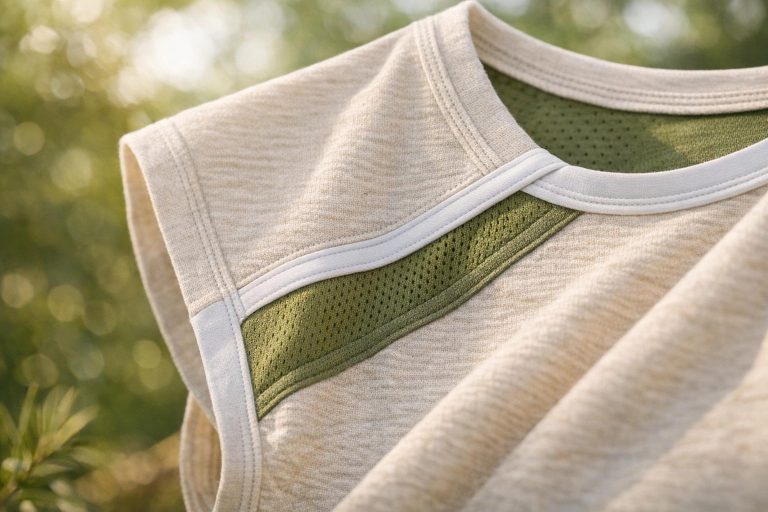
Organic fibers like merino wool, bamboo, organic cotton, and hemp are transforming sportswear by offering natural moisture control, temperature regulation, and odor resistance. Unlike synthetic materials, these fibers absorb and release moisture effectively, keeping athletes comfortable during intense activities. They’re also gentler on the skin and biodegrade faster, making them a cleaner choice for the planet.
Key Benefits of Organic Fibers in Sportswear:
- Merino Wool: Absorbs up to 35% of its weight in moisture, regulates temperature, resists odors, and is highly durable.
- Bamboo: Keeps you cool with its breathable, antibacterial properties and lightweight feel.
- Organic Cotton: Soft, hypoallergenic, and suitable for sensitive skin.
- Hemp: Extremely strong, long-lasting, and resistant to mold and UV damage.
Comparison to Synthetics:
- Synthetics wick moisture faster but often trap odors and can cause skin irritation.
- Organic fibers excel in comfort, odor control, and long-term wearability while being eco-friendly.
For athletes seeking performance and comfort without harming the planet, organic fibers are a smart choice.
Types of Organic Fibers and Their Performance Benefits
Merino Wool: Temperature Regulation and Odor Control
Merino wool is a standout when it comes to managing temperature. Its structure traps air in tiny crimps, keeping you warm when it’s cold, and releases heat as you sweat, helping you stay cool. This isn’t just a claim – a July 2021 study by North Carolina State University, funded by Australian Wool Innovation, tested 100% Merino base layers against synthetic fabrics in controlled environments. The findings? Merino wool was 96% better at buffering moisture and maintained a stable microclimate during rest periods between bursts of activity.
What makes it so effective? Merino wool can absorb 30% to 35% of its weight in moisture without feeling damp. Its chemical structure even traps odor molecules, keeping smells locked away until the garment is washed. In trials conducted by the Commonwealth Scientific and Industrial Research Organisation (CSIRO), athletes preferred Merino wool socks over synthetic alternatives specifically because they smelled fresher after heavy use.
Durability is another big win for Merino. Its keratin molecules allow the fibers to bend and stretch over 30,000 times without breaking, far outlasting cotton (which breaks after fewer than 5,000 bends) and nylon (which fails after just 75 bends). Heavier Merino knits (230g–400g) even offer UPF 50 sun protection without relying on chemical treatments.
Bamboo: Cooling and Antibacterial Properties
Bamboo fabric is another excellent choice, particularly for staying cool in hot conditions. Thanks to its low thermal conductivity, bamboo fibers allow air to flow freely across your skin, speeding up the cooling process during exercise. For perspective, 100% regenerated bamboo provides the same insulation as cotton but at one-third of the thickness (3 mm versus 9.6 mm).
Bamboo’s moisture-wicking properties rely on capillary action, where tiny gaps in the fabric pull sweat to the surface for quick evaporation. Unlike synthetic materials, which can break down and cause chafing in damp conditions, bamboo remains comfortable and hygienic in humid environments. Additionally, specialized processing can enhance bamboo viscose with antimicrobial qualities, making it a great option for athletes with sensitive skin.
Organic Cotton: Softness and Skin-Friendly Comfort
Organic cotton is a go-to for athletes with sensitive skin. It naturally absorbs moisture from your body, offering better comfort than polyester at certain sweat rates. This is particularly relevant during moderate-intensity activities, where sweat production averages 60 mL of water vapor per hour but can surge to 840 mL per hour during high-intensity sports like tennis or cycling.
Its soft texture and hypoallergenic nature make organic cotton a renewable and skin-friendly alternative to synthetic fabrics. While Merino wool is more effective at absorbing moisture, both fibers outperform synthetics in delivering next-to-skin comfort.
Hemp Blends: Strength and Longevity
Hemp is prized for its incredible tensile strength, making it a durable choice for athletic wear. Hemp blends enhance the structural integrity of garments while preserving breathability. This durability ensures your gear maintains its performance over time, even after repeated washing and intense use. Hemp is naturally resistant to mold and UV damage, making it ideal for outdoor athletes who need reliable, long-lasting gear that performs across seasons.
I Tested Natural Fiber leggings: Cotton vs Wool vs Bamboo!
Performance Comparison: Organic Fibers vs. Synthetic Materials
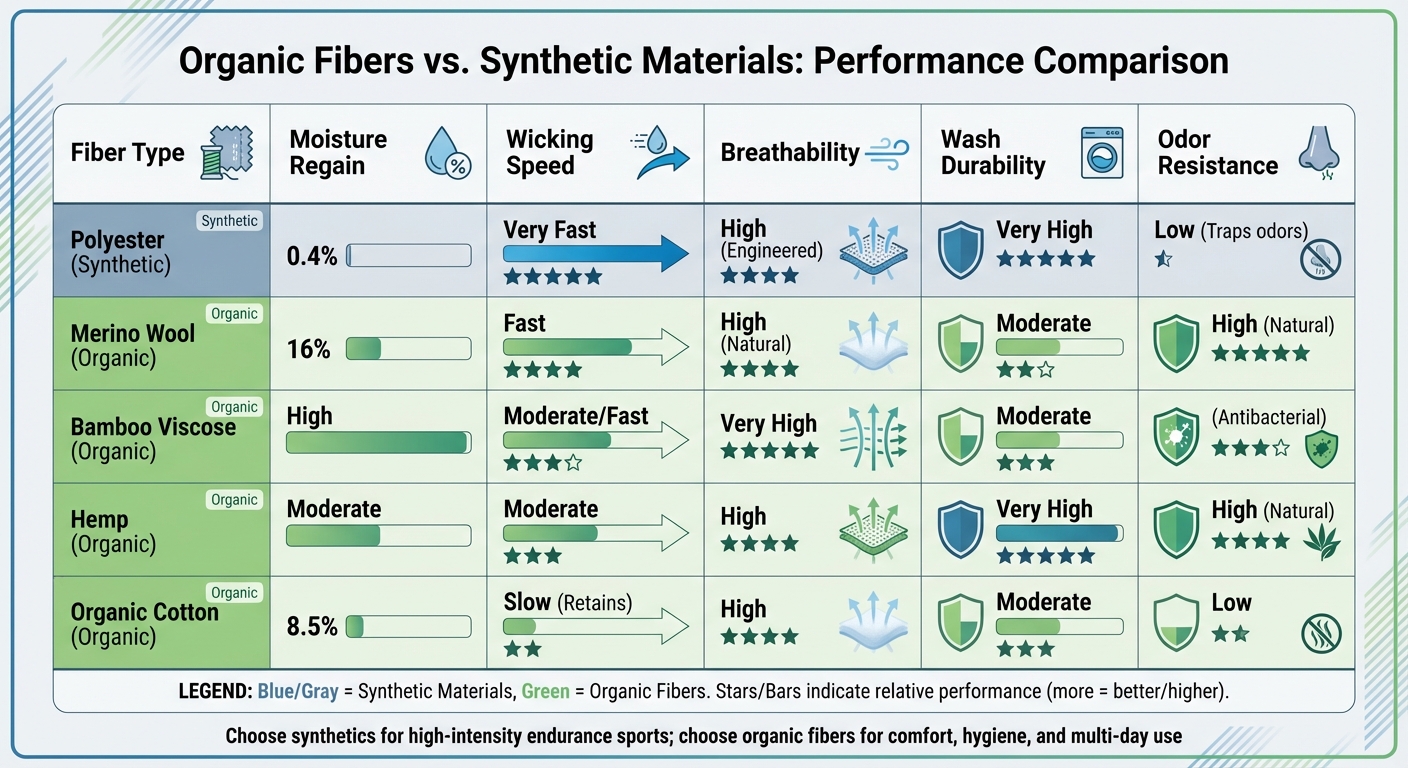
Organic Fibers vs Synthetic Materials Performance Comparison for Sportswear
When deciding between organic fibers and synthetic materials for sportswear, it’s essential to consider how each handles moisture, regulates temperature, and stands up to repeated use. These factors play a key role in determining how well the material performs under the physical demands of athletic activities.
Synthetics repel moisture, while organic fibers absorb and release it. Materials like polyester and nylon are hydrophobic, meaning they don’t soak up sweat but instead move it away from the skin through specially engineered fibers. On the other hand, organic fibers are hygroscopic, meaning they absorb moisture vapor into their structure before gradually releasing it. For instance, merino wool can hold up to 16% moisture regain, compared to polyester’s mere 0.4%. These differences directly impact how each material performs in athletic settings.
Real-world studies highlight these contrasts: In January 2022, Dennis Jensen conducted research at McGill’s Sports Science Institute, comparing a synthetic blend (60% polyester/40% nylon) with 100% cotton during a 20‑km (12.4‑mile) cycling trial involving 15 athletes. The results showed that athletes wearing synthetics achieved slightly better power outputs and faster completion times, while retaining 33% less sweat than those in cotton garments. As Jensen observed:
"Athletic clothing made of synthetic fabrics significantly improved the 20 kmCTT performance of endurance-trained athletes by optimizing selected thermoregulatory and perceptual responses to exercise."
However, synthetics aren’t without their downsides. They tend to trap bacteria and odors, and materials like polyester and nylon can cause chafing or degrade in damp conditions. Organic fibers like merino wool, hemp, and bamboo naturally resist bacteria, promoting freshness over time. Interestingly, synthetic garments also resulted in mean skin temperatures about 1°C (2°F) lower than cotton during intense exercise – a cooling benefit that might come at the cost of odor control and long-term comfort.
Comparison Table: Organic Fibers vs. Synthetics
Here’s a quick breakdown of how organic fibers and synthetic materials stack up in key performance areas:
| Fiber Type | Moisture Regain | Wicking Speed | Breathability | Wash Durability | Odor Resistance |
|---|---|---|---|---|---|
| Polyester | 0.4% | Very Fast | High (Engineered) | Very High | Low (Traps odors) |
| Merino Wool | 16% | Fast | High (Natural) | Moderate | High (Natural) |
| Bamboo (Viscose) | High | Moderate/Fast | Very High | Moderate | High (Antibacterial) |
| Hemp | Moderate | Moderate | High | Very High | High (Natural) |
| Organic Cotton | 8.5% | Slow (Retains) | High | Moderate | Low |
The right material largely depends on your activity. For high-intensity endurance sports, synthetics excel with their quick-drying and moisture-wicking properties. On the flip side, for multi-day use or activities requiring greater comfort and hygiene, organic fibers like merino wool and bamboo stand out with their natural odor resistance and superior temperature regulation.
sbb-itb-4d95ad3
Custom Team Uniforms: Combining Organic Fibers with Design and Performance
Custom team uniforms are stepping into a new era, blending top-tier performance with eco-conscious materials. By integrating organic fibers into apparel through advanced fabric blends and modern manufacturing methods, teams can enjoy gear that’s both functional and environmentally friendly. The secret lies in choosing the right organic materials for specific sports and pairing them with technical features for peak performance. Let’s explore how these fibers are crafted into high-performing team apparel.
For base layers, Merino wool is a standout choice. Its natural ability to regulate body temperature makes it perfect for athletes competing in fluctuating conditions. When it comes to high-movement sports like basketball or soccer, bamboo fiber paired with spandex offers an ideal solution. This combination creates a fabric that’s breathable, gentle on the skin, resistant to friction, and naturally antibacterial – helping to guard against pathogens like Staphylococcus aureus.
Another game-changing approach is hybrid fabric blends. Merging organic fibers like Merino with synthetic materials enhances moisture control while preserving the comfort and temperature regulation that organic fabrics are known for. This is especially useful in sports where athletes alternate between intense activity and recovery periods.
These organic blends also support advanced customization options. Fabrics designed for sublimation and digital printing allow for detailed, vibrant designs without sacrificing breathability or moisture-wicking capabilities.
Wooter Apparel: Custom Organic Sportswear Options

Wooter Apparel specializes in creating custom uniforms that combine organic fiber blends with cutting-edge design tailored to each team’s needs. Their process includes free custom design services, helping teams achieve a unique look that aligns with their performance goals. Options range from jerseys starting at $16.99 to full team uniform packages priced at $199.99. Thanks to their sublimation process, designs remain vivid and durable, ensuring the uniforms look great and perform well throughout their use. Plus, Wooter offers quick delivery, so teams can hit the field or court in no time.
Conclusion: The Growing Role of Organic Fibers in Sportswear
Organic fibers are reshaping team apparel by offering standout performance benefits, such as dynamic temperature regulation and odor control that keeps gear fresher for longer – even between washes.
Beyond performance, these fibers bring meaningful environmental perks. Unlike synthetic materials like polyester and nylon, which are derived from fossil fuels and contribute to microplastic pollution, organic fibers are biodegradable and free of microplastics. Take bamboo, for example – it not only provides antibacterial protection but also thrives without the need for fertilizers or pesticides, growing up to an astonishing one meter a day. Similarly, Merino sheep produce an impressive 5,000 kilometers of fiber annually, making it a renewable and efficient resource.
For athletes, organic fibers offer hypoallergenic and anti-static properties, along with natural antibacterial qualities that combat odor-causing bacteria. This means gear can be worn longer between washes, combining convenience with comfort.
When incorporated into team apparel, these fibers bring together performance and style. Wooter Apparel’s sublimation process ensures bold, long-lasting designs without sacrificing the breathability or moisture-wicking capabilities of organic materials. Plus, with competitive pricing, teams can embrace eco-conscious gear without giving up on functionality or aesthetics.
Organic fibers aren’t just a passing trend – they’re setting the standard for sustainable, high-performance sportswear.
FAQs
How does Merino wool compare to synthetic materials for moisture control in sportswear?
Merino wool stands out from synthetic fabrics in how it handles moisture. It can soak up to 35% of its weight in moisture without feeling wet, all while releasing vapor to help you stay dry and comfortable. On the other hand, synthetic fibers mainly move moisture to the fabric’s surface but tend to trap it there, which can leave you feeling less fresh during intense workouts.
Thanks to its natural properties, Merino wool also excels at regulating temperature and resisting odors. This makes it an excellent option for athletes seeking breathable, high-performance sportswear.
What are the environmental benefits of choosing organic fibers for sportswear?
Organic fibers such as bamboo, hemp, and linen offer a more environmentally friendly alternative to synthetic fabrics and conventionally grown cotton. These materials generally use less water, require fewer pesticides, and avoid petrochemical processes, which helps reduce their overall impact on the planet.
Take hemp and linen, for instance – they need very little irrigation to thrive. Bamboo, on the other hand, grows at an impressive rate and is naturally biodegradable. By relying on renewable crops, organic fibers help cut down on freshwater usage, minimize pesticide pollution, and reduce landfill waste. This makes them a smart choice for creating textiles with a lighter environmental footprint.
Why do athletes with sensitive skin prefer organic cotton over synthetic fabrics?
Athletes with sensitive skin often lean toward organic cotton for its natural, chemical-free fibers that are soft and gentle against the skin. Unlike synthetic fabrics, organic cotton promotes better airflow and efficiently absorbs moisture, helping to minimize irritation and discomfort during rigorous workouts.
What sets organic cotton apart is its lack of harsh dyes and treatments typically found in synthetic materials. This makes it a safer, more skin-friendly option for individuals prone to sensitivities or allergies.