
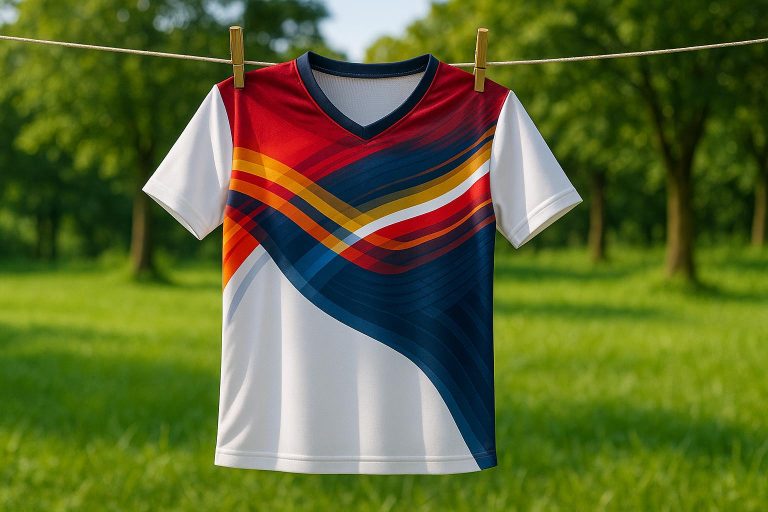
Sublimated uniforms are durable and visually striking, but improper cleaning can damage their design and performance. These uniforms, commonly used in sports, require specific care to maintain their bold colors, moisture-wicking properties, and longevity. Here’s how to clean and preserve them while minimizing environmental impact:
- Wash with cold water: Protect the dye bond and reduce energy use by avoiding hot water.
- Use mild detergents: Opt for non-toxic, natural cleaners like Dreft or white vinegar to avoid harsh chemicals.
- Avoid bleach and softeners: These can break down the fabric and fade the design.
- Air dry when possible: Heat can shrink the polyester and fade the sublimated ink. Use low-heat drying only as a backup.
- Handle stains gently: Use rubbing alcohol or vinegar for spot cleaning without damaging the fabric.
How to Wash Sublimation Shirts Correctly? Essential Guide!
How Sublimation Printing Works and Care Requirements
Sublimation printing relies on heat and pressure to embed dye directly into polyester fibers. This process creates a permanent bond, making the design an integral part of the fabric. The result? Bright, long-lasting colors and detailed designs that retain the fabric’s natural moisture-wicking and breathability – qualities essential for athletic wear.
But this same process that makes sublimation printing so effective also makes the fabric more sensitive to certain conditions. Heat, harsh chemicals, or rough handling during cleaning can weaken the bond between the dye and the fibers. Because of this, sublimated fabrics require specific care to maintain their look and performance.
Why Sublimated Fabrics Are Different
The way sublimation printing fuses dye into polyester makes these fabrics behave differently compared to those with surface-applied prints. For starters, washing in cold water (30–40°F/15–20°C) is crucial to protect the dye bond. Hot water can destabilize the ink molecules, causing them to separate from the fibers.
Since the dye is embedded within the fabric, sublimated designs are particularly vulnerable to chemical damage. Bleach, fabric softeners, and phosphate-based detergents can break down the bond, leading to fading or distorted colors. Additionally, friction from washing with items like Velcro, zippers, or other rough materials can cause pilling or gradual color loss. These unique vulnerabilities make proper care essential to avoid common issues.
Common Care Problems
One of the most frequent issues with sublimated uniforms is fading. Hot water or harsh detergents can weaken the bond between the ink and the fibers, leading to color shifts or even complete loss of color in some areas. Color bleeding is another concern, especially during the first few washes when excess dye may stain other garments in the load.
Exposure to high heat can shrink the polyester fibers, reducing the fabric’s moisture-wicking abilities. Rough wash cycles or improper storage can cause pilling, which further impacts color and appearance. Over time, these issues can accumulate, making it necessary to replace the uniform – even if the fabric itself is still in good condition. Proper care is the key to extending the life of sublimated garments.
Eco-Friendly Washing Methods for Sublimated Uniforms
Taking care of your sublimated uniforms doesn’t just keep them looking sharp – it can also help the environment. By using thoughtful washing techniques, you’ll preserve the bond between the ink and fabric while cutting back on energy use and chemical waste. Here’s how to clean your uniforms with both care and sustainability in mind.
Use Cold Water for Cleaning
Cold water is a game-changer when it comes to washing sublimated uniforms. According to the U.S. Department of Energy, washing with cold water can slash energy use by up to 90% compared to hot water cycles. That’s not just good for the planet – it’s good for your uniforms, too. Hot water can weaken the molecular bond between sublimation ink and polyester fibers, leading to fading or color distortion. Cold water, on the other hand, keeps those bonds intact while reducing energy demands and greenhouse gas emissions.
Choose Mild or Natural Detergents
The detergent you use matters more than you might think. Mild options like Dreft or Woolite are designed to clean effectively without harsh chemicals or optical brighteners that could harm the ink bond. For an even greener option, try white vinegar. Adding half a cup of vinegar to your wash not only removes soap residue and mineral deposits but also softens fabrics and provides antibacterial benefits – all without introducing harmful chemicals into wastewater. Just remember: don’t mix vinegar with fabric softeners, as it can cancel out its natural softening properties.
Hand Washing vs. Gentle Machine Cycles
When it comes to treating your sublimated uniforms with care, hand washing is the gentlest option, especially for intricate or delicate designs. Fill a basin with cold water, add an eco-friendly detergent, and gently agitate the fabric before rinsing thoroughly. This method gives you complete control over every step, ensuring minimal stress on the material.
If hand washing isn’t practical, a modern washing machine with a gentle or delicate cycle is a solid alternative. These cycles reduce agitation and have shorter wash times, which helps protect the fabric and ink while offering the convenience busy households or athletic programs need.
Here’s a quick comparison to help you decide:
| Method | Pros |
|---|---|
| Hand Washing | Most gentle; perfect for delicate designs |
| Gentle Machine Cycle | Convenient; still protects fabric and ink |
Eco-Friendly Drying and Storage Tips
Taking care of sublimated uniforms the right way not only keeps them looking sharp but also helps minimize environmental impact. By choosing thoughtful drying and storage methods, you can protect your investment while being kinder to the planet. Here’s how to do it.
Air Drying: The Greenest Choice
Air drying is hands down the safest and most environmentally friendly way to dry sublimated uniforms. It requires zero electricity and avoids the heat that can cause sublimation inks to fade or polyester fabrics to shrink. This method helps preserve the bold colors and crisp designs that make these uniforms stand out.
To air dry effectively, hang your uniforms in a shaded, well-ventilated area like a covered porch, a basement, or on an indoor drying rack. Good airflow helps moisture evaporate efficiently without exposing the fabric to harsh sunlight. Why avoid direct sunlight? UV rays can break down the sublimation print, causing colors to lose their vibrancy.
If air drying isn’t an option, there’s a backup plan.
Low-Heat Tumble Drying: A Backup Plan
When air drying isn’t feasible – due to high humidity, tight schedules, or lack of space – low-heat tumble drying can work as a secondary option. Use the lowest heat setting on your dryer and turn your uniforms inside out to shield the sublimated design. Set a timer and remove the uniforms as soon as they’re dry to avoid overdrying, which can lead to fading, shrinkage, or fabric damage. While this method is convenient, it should only be used sparingly since heat and tumbling can wear down the material over time.
Once your uniforms are dry, storing them correctly is the next step.
Smart Storage Techniques
Proper storage is key to extending the life of your uniforms. Always store them inside out in a cool, dry place, away from direct sunlight and heat. This simple habit protects the sublimation print from light exposure and helps prevent fading or fabric deterioration.
Pay attention to temperature and humidity. Avoid areas like damp basements or hot attics, as moisture can lead to mold and mildew, which can damage both the fabric and the print. For best results, hang uniforms on padded or wide hangers to maintain their shape and prevent creases. If hanging isn’t an option, fold them loosely and place them in breathable garment bags to allow for airflow. Stay away from plastic bags or airtight containers, as these can trap moisture and encourage mildew growth.
For those using Wooter Apparel’s sublimated uniforms, following these eco-friendly drying and storage tips will help keep your gear vibrant and durable throughout the season.
| Storage Method | Best For | Why It Works |
|---|---|---|
| Hanging (padded hangers) | Daily storage | Maintains shape and prevents wrinkles |
| Folding (loose) | Limited space | Minimizes creasing when done carefully |
| Breathable garment bags | Long-term use | Protects from dust while allowing airflow |
sbb-itb-4d95ad3
Eco-Friendly Stain Removal for Sublimated Uniforms
Let’s dive into how to handle stains on sublimated uniforms without using harsh chemicals, building on eco-conscious washing and drying practices.
Sublimated uniforms are naturally more resistant to stains compared to traditional printed uniforms. That’s because the ink is bonded directly to the fabric fibers. However, stains do happen, and treating them with care is essential to maintain both the look and performance of your gear.
The secret? Act fast and choose gentle, eco-friendly methods. This approach not only safeguards your uniform but also aligns with environmentally responsible practices.
Using Rubbing Alcohol for Stains
Rubbing alcohol is an excellent, eco-conscious option for tackling tough stains like ink, grass, and food. It’s effective without the harmful chemicals found in many commercial stain removers, which can damage sublimation ink.
Here’s how to use it safely:
- Dampen a clean cloth with a small amount of rubbing alcohol – never pour it directly on the fabric.
- Blot the stain gently, starting from the outer edges and moving inward to avoid spreading.
- The alcohol will break down the stain molecules without interfering with the sublimated design.
Before you start, test the alcohol on an inconspicuous area, like an inner seam, to ensure it won’t affect the fabric or colors. Once the stain is treated, rinse thoroughly with cold water to remove any alcohol residue. This step is crucial to prevent stiffness or any impact on the uniform’s moisture-wicking properties.
Spot Cleaning with Mild Detergent
For stains like mud, sweat, or food, a mild detergent can work wonders. Opt for a non-phosphate detergent to avoid chemicals that might degrade the fabric or dull the sublimation ink.
Here’s the process:
- Apply a small amount of detergent directly to the stain.
- Gently massage it into the fabric using a soft cloth.
- Let it sit for 10-15 minutes to break down the stain particles.
- Rinse thoroughly with cold water to remove all detergent residue.
For stubborn stains, mix half a cup of white vinegar with cold water to create a natural cleaning solution. This mix is especially effective for sweat stains, neutralizing odors and discoloration while being completely safe for sublimated fabrics.
If the stain persists, repeat the process patiently instead of resorting to harsh chemicals.
Patience Over Aggressive Treatments
One common mistake is rushing to use aggressive treatments like bleach or strong chemical cleaners. These can cause the sublimation ink to fade, bleed, or even disappear entirely.
Eco-friendly care focuses on gentle, repeated treatments. If one round of cleaning doesn’t fully remove the stain, repeat the process. This approach is more effective and helps maintain the uniform’s breathability and moisture-wicking capabilities, which are essential for athletic performance.
| Stain Type | Best Eco-Friendly Method | Duration |
|---|---|---|
| Grass stains | Cold water rinse + mild detergent | 10-15 minutes |
| Sweat stains | White vinegar + cold water solution | 15-20 minutes |
| Food stains | Rubbing alcohol blotting | 5-10 minutes |
| Mud stains | Cold water pre-rinse + spot cleaning | 10-15 minutes |
Wooter Apparel’s sublimated uniforms are designed for durability and performance. By following these eco-friendly stain removal techniques, you’ll keep your team looking sharp while protecting your investment in high-quality athletic wear.
What to Avoid: Practices That Damage Sublimated Uniforms
Taking care of sublimated uniforms isn’t just about following the right steps – it’s also about steering clear of harmful practices. Certain cleaning methods can wreak havoc on these uniforms, leading to fading, discoloration, or even the complete loss of their designs. Many of these damaging practices involve harsh chemicals that not only harm your uniforms but also the environment.
The sublimation process creates a strong chemical bond between the ink and polyester fabric, making it particularly sensitive to heat and aggressive chemicals. Preserving the quality of your uniforms means avoiding these pitfalls. Below, we’ve outlined common mistakes to sidestep, ensuring your uniforms stay vibrant and long-lasting.
Bleach and Fabric Softeners Are a No-Go
Bleach is a major culprit when it comes to damaging sublimated uniforms. Even so-called "gentle" bleach products can break down the bond between the ink and fabric, leading to fading, discoloration, and weakened fibers. Once this damage occurs, it’s permanent.
Fabric softeners are another offender. They leave a residue on the fabric that not only reduces moisture-wicking capabilities but also dulls the vivid colors of sublimation prints over time.
For a safer alternative, try adding white vinegar to your rinse cycle. It’s an effective, natural option that avoids the pitfalls of bleach and fabric softeners.
Beware of Hot Water and High Heat
Heat and sublimated uniforms simply don’t mix. Washing with hot water or drying with high heat can cause the ink to fade, bleed, or even shift, ruining the design. Additionally, excessive heat can shrink the polyester fabric, further compromising the uniform’s fit and appearance.
Stick to cold water when washing, and air drying is always your safest bet. If you’re in a pinch and need to use a dryer, make sure it’s set to the lowest heat setting possible. Not only does air drying protect your uniforms, but it also reduces energy use – a win for both your gear and the environment.
Skip the Dry Cleaning
While dry cleaning might seem like a premium option, it’s actually one of the worst choices for sublimated uniforms. The harsh chemicals used in the process, such as perchloroethylene, can break down the sublimation ink, leading to fading, discoloration, or even complete design loss.
Instead, wash your uniforms at home using mild, natural detergents. This approach gives you full control over the cleaning process, ensuring gentle care that maintains both the look and functionality of your gear.
| Harmful Practice | Damage Caused | Eco-Friendly Alternative |
|---|---|---|
| Bleach | Fades ink, weakens fibers | White vinegar |
| Fabric softener | Leaves residue, dulls colors | White vinegar in rinse cycle |
| Hot water/high heat | Causes fading, bleeding, shrinkage | Cold water, air drying |
| Dry cleaning | Chemical damage, design loss | Home washing with mild detergent |
Additional Tips to Protect Your Uniforms
- Avoid harsh detergents with optical brighteners or chlorine-based stain removers.
- Don’t wash uniforms with items that have Velcro or metal parts, as these can snag or damage the fabric.
- Never leave wet uniforms in a pile – this can lead to color transfer and mildew.
Conclusion: Long-Term Care for Sublimated Uniforms
Taking care of your sublimated uniforms not only protects your investment but also keeps your team looking sharp and performing at their best. Plus, it’s a step toward reducing environmental impact. With just a few simple habits, you can make those uniforms last for multiple seasons while maintaining their vibrant colors and functionality.
Start with the basics: wash and handle uniforms properly to preserve the bond between the sublimated ink and the polyester fabric. This ensures they continue to perform as intended. When storing, choose a cool, dry spot away from direct sunlight to avoid creases, mildew, and unpleasant odors.
Eco-conscious care routines go beyond just keeping your uniforms in great shape – they also help the planet. By conserving energy and minimizing chemical usage, these practices contribute to a cleaner environment.
If your team uses Wooter Apparel’s sublimated uniforms, these care tips are especially important. Avoiding harsh chemicals and high heat ensures the fabric retains its moisture-wicking and breathable qualities, keeping players comfortable and professional season after season.
The key to keeping your uniforms in top condition? Wash them promptly, treat stains gently, and store them correctly. These small efforts add up, keeping your uniforms durable, vibrant, and ready for game day.
FAQs
What’s the best way to keep my sublimated uniforms looking vibrant and performing well over time?
To keep your sublimated uniforms looking sharp and performing their best, here are a few easy care tips:
- Gentle washing is key: Use cold water and a delicate cycle to avoid fading or damaging the fabric. Skip bleach and fabric softeners – they can break down the material and dull the vibrant colors.
- Air dry for durability: High heat from a dryer can weaken the fabric and cause colors to fade. Instead, hang your uniforms to air dry naturally.
- Choose mild detergents: Opt for gentle, eco-friendly detergents to clean your uniforms. This not only helps preserve the fabric but is also kinder to the environment.
These simple steps will help keep your uniforms looking fresh and ready for action, season after season!
How can I remove tough stains from sublimated uniforms in an eco-friendly way without damaging the fabric?
To tackle stubborn stains on sublimated uniforms while being mindful of the environment, start by gently blotting the stain with cold water. This helps prevent the stain from setting. Steer clear of hot water – it can either damage the fabric or make the stain worse. For more persistent stains, mix a bit of mild, biodegradable detergent with cold water, and gently rub the stained area using a soft cloth or sponge. Make sure to rinse thoroughly to remove any detergent residue.
If the stain still won’t budge, consider natural options like white vinegar or baking soda. For instance, you can make a paste by combining baking soda and water, apply it to the stain, and let it sit for 10–15 minutes before rinsing it off. Always air-dry sublimated fabrics to maintain their quality, as the high heat from dryers can weaken the material or cause colors to fade.
Why should I avoid using bleach and fabric softeners on sublimated uniforms, and what are better cleaning options?
Bleach and fabric softeners are not friends of sublimated uniforms. Bleach is overly harsh and can strip away the bright colors, leaving them dull and faded. Fabric softeners, on the other hand, tend to leave behind residues that interfere with the fabric’s ability to breathe and wick away moisture effectively.
To keep your uniforms looking sharp and performing well, stick to washing them in cold water with a mild detergent. Skip the dryer – air drying is the way to go. High heat from dryers can weaken the fabric and even warp the design. Following these easy care tips can go a long way in preserving the quality and lifespan of your sublimated uniforms.