
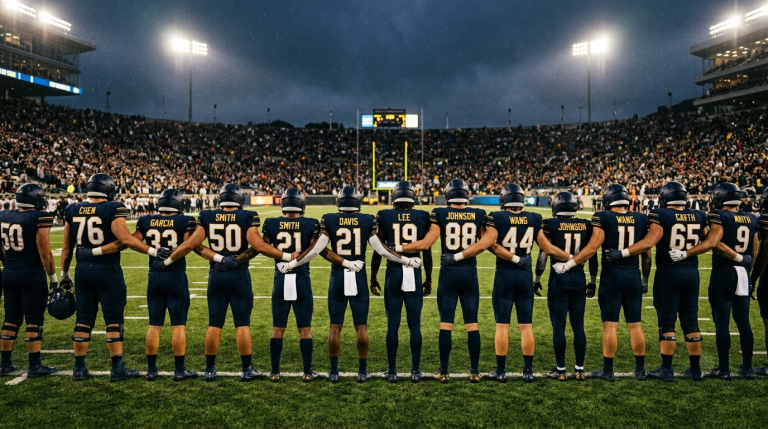
Every championship team has star players.
But long before those players lift trophies, break records, or become household names, something else is built first.
An identity.
It’s easy to believe that championships are won simply by recruiting the most talented athletes. Yet history tells a different story. Some teams packed with elite talent fall apart under pressure, while others with fewer star players consistently outperform expectations.
The difference often isn’t skill.
- It’s culture.
- It’s trust.
- It’s a shared identity that gives every player a reason to compete for something bigger than themselves.
Whether you’re coaching a youth hockey team, managing a high school basketball program, leading a soccer club, or building a professional organization, the same principle applies: championship teams invest in identity before they invest in talent.
Interestingly, that identity isn’t created during the biggest games of the season. It starts months earlier, in practices, locker rooms, conversations, and even in the custom team uniforms players wear every time they step onto the field or court.
Let’s explore why identity has become one of the greatest competitive advantages in modern sports.
Talent Wins Games. Identity Builds Dynasties.
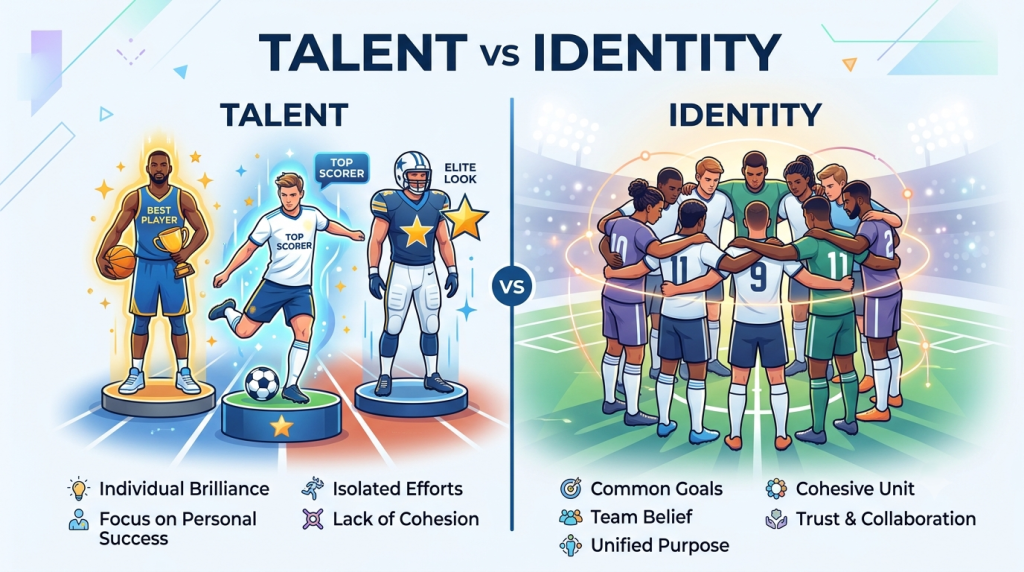
Every season begins with predictions;
- Analysts compare rosters.
- Fans debate transfers.
- Recruiters evaluate athletic ability.
Everyone asks the same question:
Who has the most talent?
But championship organizations ask a different question.
Who are we?
That question changes everything.
Talent can win a game on a great night. Identity helps a team survive adversity.
Think about the teams that consistently compete for championships across different sports. Rosters change. Coaches retire. Players graduate. Yet somehow, success continues.
Why?
Because the organization has created an identity that outlasts individual athletes.
Players don’t just join a roster.
They join a culture.
That culture influences:
- Communication
- Leadership
- Accountability
- Work ethic
- Preparation
- Confidence under pressure
When these qualities become part of a team’s DNA, every new player quickly understands what’s expected.
That’s much harder to build than recruiting athletic talent.
Identity Gives Players Something Bigger Than Themselves
The best athletes naturally want to succeed. Championship teams encourage them to succeed together. That’s an important distinction.
When players compete only for personal recognition, teams often become divided. Players begin chasing statistics.
Roles become frustrating.
Small disappointments become larger conflicts.
But when every athlete feels connected to a shared identity, priorities begin to shift.
Instead of asking:
“How can I stand out?”
Players begin asking:
“How can I help us win?”
That mindset changes everything.
- It affects how teammates communicate after mistakes.
- It changes body language during difficult moments.
- It strengthens trust when games become close.
Identity transforms a collection of talented individuals into a true team.
Identity Begins Long Before Opening Day
Many coaches mistakenly believe culture develops naturally during the season.
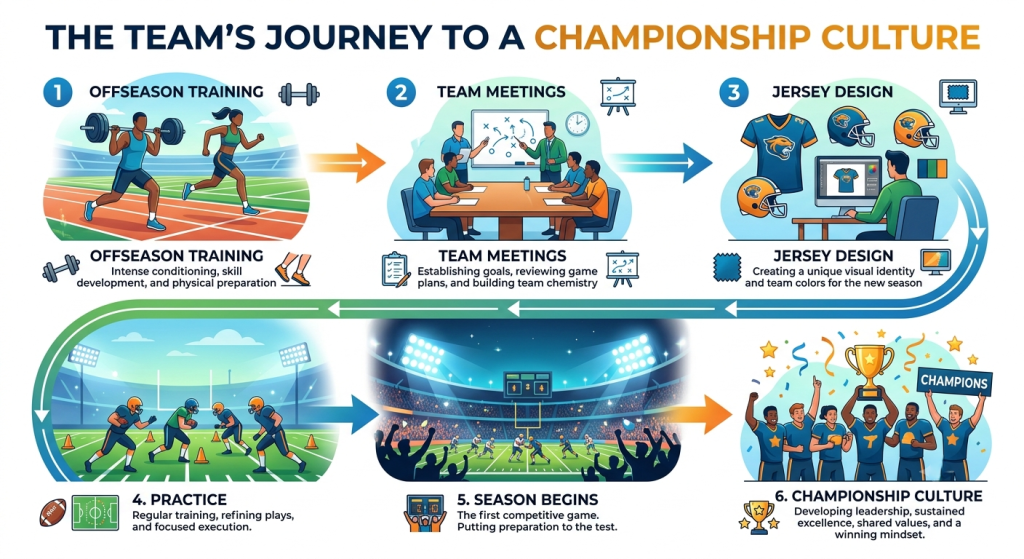
In reality, culture starts forming long before the first game.
It begins during:
- Offseason workouts
- Team meetings
- Jersey design discussions
- Leadership conversations
- Community events
- Social media introductions
- First-day practices
Every interaction teaches players what the organization values.
Even seemingly small decisions contribute to identity.
How players greet one another.
How coaches celebrate effort.
How veterans welcome new teammates.
How the team presents itself publicly.
Identity isn’t built through one emotional speech.
It’s built through hundreds of consistent actions.
The Uniform Is More Than Apparel
One of the earliest moments players begin feeling like a team happens during uniform distribution.
At first glance, it might seem like a routine task.
But psychologically, something much bigger is happening.
Players stop feeling like individuals.
They begin representing something shared.
That’s why professional organizations invest heavily in custom sports uniforms.
They’re not simply purchasing apparel.
They’re reinforcing identity.
A thoughtfully designed jersey communicates:
- Pride
- Professionalism
- Unity
- Standards
- Belonging
When every athlete puts on matching custom jerseys, the message becomes clear:
“We’re building something together.”
That feeling matters.
Sports psychologists have long observed that visual identity strengthens group cohesion. While uniforms alone don’t create winning teams, they reinforce the sense of belonging that strong cultures depend on.
Great Teams Create Standards Everyone Can See

Identity isn’t only internal. It’s visible. You notice it before the game even begins.
Championship organizations often share common characteristics:
- Players arrive together.
- Warm-ups look organized.
- Communication feels natural.
- Body language reflects confidence.
- Uniforms appear consistent.
- Nothing feels accidental.
These visible standards communicate professionalism long before the scoreboard matters.
Opponents notice.
Fans notice.
Parents notice.
Recruiters notice.
Professional appearance doesn’t guarantee victory.
But it often reflects the preparation happening behind the scenes.
That’s why organizations invest in coordinated custom athletic apparel, matching warm-ups, travel gear, and practice uniforms.
Consistency creates credibility.
Championship Cultures Are Built Through Repetition
Identity isn’t created during championship celebrations.
It’s created during ordinary Tuesdays.
The best organizations repeat the same habits until they become automatic.
Those habits include:
- Arriving early.
- Respecting teammates.
- Communicating positively.
- Practicing with intensity.
- Wearing team gear proudly.
- Holding each other accountable.
Over time, these repeated behaviors become expectations rather than rules.
New players naturally adapt.
Veterans reinforce the culture.
Eventually, identity begins sustaining itself.
That’s one reason championship programs remain successful even after graduating star athletes.
The culture keeps producing new leaders.
Strong Branding Builds Stronger Buy-In
People often associate branding with business.
But successful sports organizations understand that branding influences culture too.
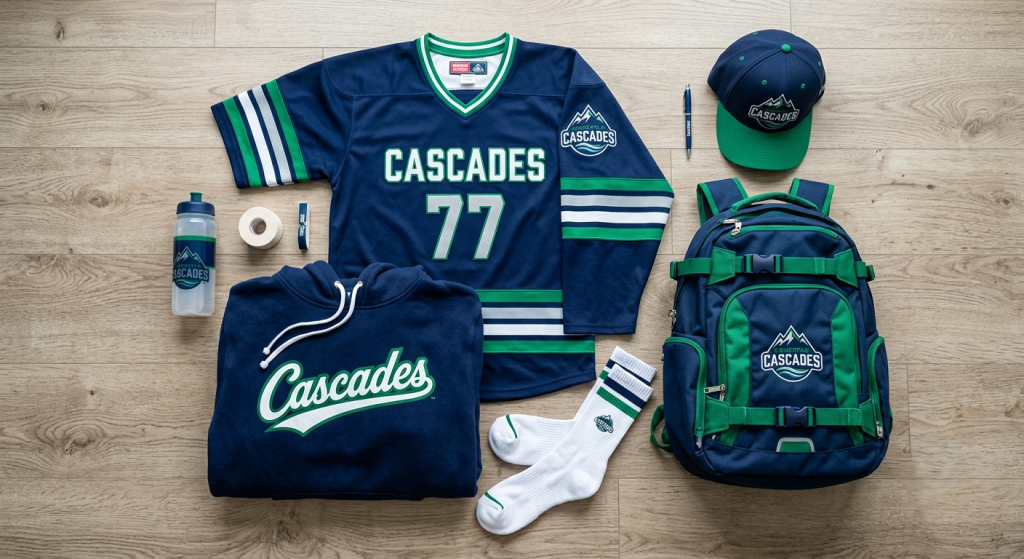
A recognizable team identity gives athletes something to believe in.
That includes:
- Team colors
- Logos
- Slogans
- Social media presence
- Locker room graphics
- Professional team uniforms
Every visual element reinforces the same message.
“This is who we are.”
Players begin feeling proud to represent something that looks established and organized.
That pride influences commitment.
Athletes become more likely to:
- Attend offseason workouts.
- Invite friends to join.
- Share team content online.
- Protect the team’s reputation.
- Stay committed through difficult seasons.
Strong branding strengthens emotional investment.
And emotional investment creates stronger teams.
Identity Helps Teams Handle Adversity
Every season includes setbacks.
Losing streaks.
Injuries.
Bad officiating.
Unexpected roster changes.
Championship teams experience these challenges too.
The difference is how they respond.
When identity is strong, difficult moments don’t immediately fracture the locker room.
Players trust the process.
Leaders reinforce expectations.
Everyone understands that temporary struggles don’t change who the team is.
Teams without a clear identity often react differently.
Blame spreads quickly.
Confidence disappears.
Individuals begin protecting themselves instead of supporting one another.
Identity becomes the anchor that keeps championship organizations steady during difficult seasons.
Players Want to Join Programs That Feel Professional
Today’s athletes evaluate programs differently than they did a decade ago.
Before committing to a team, they often research:
- Social media pages
- Team branding
- Facilities
- Coaching philosophy
- Community culture
- Player development
- Uniform quality
First impressions matter.
A professionally presented organization signals stability and ambition.
That’s one reason successful clubs invest in high-quality custom team uniforms and consistent branding.
It tells prospective players:
“We take this seriously.”
That message attracts athletes who share the same mindset.
And over time, attracting the right people becomes more valuable than simply attracting the most talented ones.
Identity Creates Leaders, Not Just Players
Every successful team eventually faces change.
Players graduate.
Captains retire.
Top scorers move on.
Coaches accept new opportunities.
If success depended solely on individual talent, every roster change would force a complete rebuild.
Yet championship programs rarely start from scratch.
Why?
Because they develop leaders before they need them.
Strong team identity gives younger athletes a blueprint to follow. New players don’t have to guess what leadership looks like because they see it every day in the team’s habits, expectations, and traditions.
Leadership becomes part of the culture rather than the responsibility of one person.
Instead of saying,
“Our captain keeps everyone together,”
championship organizations create environments where everyone contributes.
That type of leadership is far more sustainable than relying on one superstar.
Great Identity Makes Recruiting Easier
Most coaches spend enormous amounts of time searching for talented athletes.
Championship programs also spend time making talented athletes want to join them.
Those aren’t the same thing.
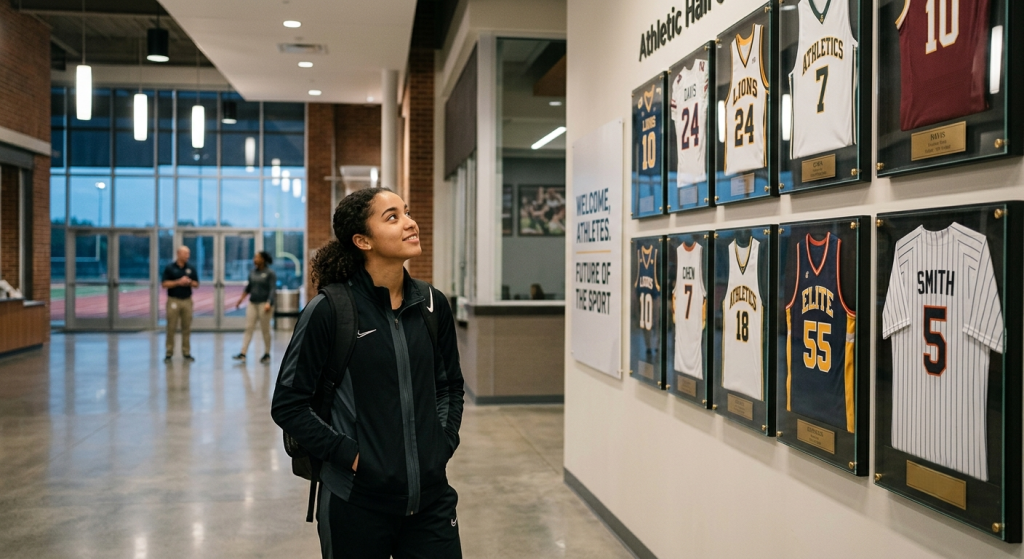
When prospective players visit a club, school, or academy, they’re evaluating much more than coaching credentials.
They’re asking questions like:
- Does this team feel organized?
- Will I enjoy being part of this culture?
- Do players genuinely support each other?
- Does this program look professional?
- Can I picture myself representing this team?
These questions often influence decisions as much as playing time.
That’s why organizations invest in everything from custom sports uniforms to consistent branding and professional communication.
A polished identity creates confidence before the first conversation even begins.
Players naturally want to belong to programs that appear established, ambitious, and united.
Fans Don’t Fall in Love with Talent Alone
Athletes may inspire excitement. Identity creates loyalty.
Think about the teams with the most passionate fan bases.
Supporters don’t simply cheer for players.
- They wear the colors.
- They recognize the logo instantly.
- They sing traditions.
- They proudly wear custom jerseys years after certain players have retired.
That’s because fans connect emotionally with identity.
The uniform becomes a symbol of memories.
The logo represents community.
The colors remind people of unforgettable moments.
Winning attracts attention.
Identity keeps people emotionally invested long after the final whistle.
Consistency Builds Trust
One overlooked characteristic of championship organizations is consistency.
- Players know what to expect every day.
- Parents know how the program operates.
- Fans recognize the team’s values.
- Sponsors feel confident supporting the organization.
Consistency creates trust.
That trust comes from repeated experiences.
The coaching philosophy stays consistent.
The visual branding stays consistent.
The team’s expectations remain consistent.
Even something as simple as wearing matching professional team uniforms reinforces the message that every detail matters.
Organizations that pay attention to small details often earn greater confidence from everyone around them.
Small Details Reflect Bigger Standards
Championship teams rarely ignore the little things. Because they understand something important:
How you do small things usually reflects how you’ll do important things. That mindset appears everywhere.
Clean locker rooms.
Organized equipment.
Professional warm-ups.
Respectful communication.
Quality custom athletic apparel.
Consistent branding.
None of these guarantee victories.
But together, they communicate one powerful message:
“Excellence is our standard.”
Players begin carrying that mindset into practices.
Practices influence games.
Games influence seasons.
Small standards eventually become competitive advantages.
Identity Creates Accountability Without Constant Supervision
Coaches often believe accountability requires constant reminders. Championship cultures prove otherwise.
When identity becomes deeply rooted, players begin correcting themselves.
- Veterans challenge younger teammates.
- Teammates encourage one another.
- Leaders reinforce expectations naturally.
- The culture becomes self-sustaining.
That’s one of the biggest reasons identity matters more than talent alone.
Talent depends on individual performance.
Identity influences everyone’s behavior.
When players genuinely believe in the team’s standards, coaches spend less time managing attitudes and more time developing athletes.
Professional Appearance Builds Confidence
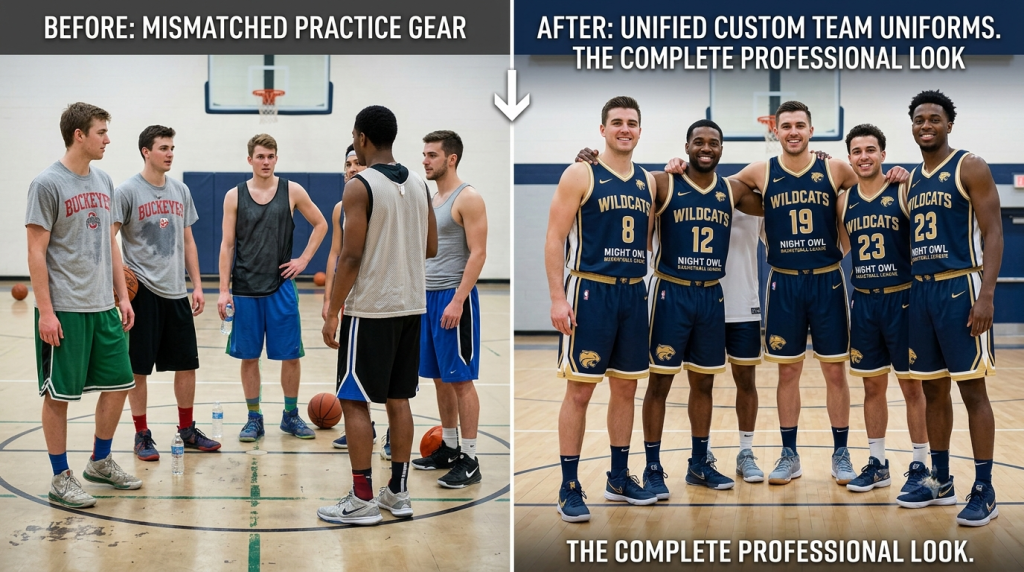
Confidence isn’t only built through victories.
Sometimes it begins the moment players walk into the locker room.
Putting on high-quality custom team uniforms changes how athletes see themselves.
Instead of feeling like a collection of individuals, they begin thinking as one team.
That psychological shift matters.
Players often perform more confidently when they believe they’re representing a professional organization.
Matching uniforms, coordinated warm-ups, and polished branding don’t replace preparation.
They reinforce it.
Appearance and confidence often work together.
When athletes look prepared, they tend to feel prepared.
And confident players usually perform better under pressure.
Identity Extends Beyond Game Day
The strongest organizations don’t disappear after the final buzzer.
Their identity continues throughout the year.
It appears in:
- Community outreach programs
- Youth development camps
- Charity events
- Social media content
- Team merchandise
- Travel experiences
- Alumni relationships
Every interaction strengthens the organization’s reputation.
Players begin feeling connected to something much larger than one season.
That’s how traditions begin.
Eventually, new athletes dream of joining because they’ve admired the program for years.
Identity becomes one of the organization’s greatest recruiting tools.
Investing in Identity Is a Long-Term Strategy
Recruiting talented players is important.
But talent changes every season.
Identity compounds over time.
Every year spent strengthening culture, branding, leadership, and professionalism makes the organization stronger.
Future players inherit those standards.
Future coaches build upon them.
Future fans continue supporting them.
That’s why the most respected programs rarely rebuild from zero.
They reload. Their identity remains constant even when the roster changes.
It’s one of the smartest long-term investments any sports organization can make.
Championship Teams Understand That Everything Sends a Message
Whether intentional or not, every decision communicates something.
Uniform quality communicates standards.
Branding communicates professionalism.
Practice habits communicate commitment.
Leadership communicates culture.
The question isn’t whether your team has an identity.
It already does.
The real question is whether that identity is helping you become the program you want to be.
Championship organizations answer that question long before they begin chasing trophies.
They invest in culture first.
They reinforce it through leadership, communication, preparation, and presentation.
Talent then has the perfect environment to flourish.
Because while gifted athletes can win games, enduring identities build championship legacies.
Conclusion
The most successful teams aren’t built solely through recruiting. They’re built by creating an environment where every player understands what the organization stands for and feels proud to represent it. From leadership and accountability to branding and custom sports uniforms, every element contributes to a culture that inspires commitment, trust, and long-term success.
Talent will always matter, but without a strong identity, even the most gifted roster can struggle to reach its potential. Teams that invest in culture first create a foundation that outlasts individual players, coaching changes, and winning streaks.
Whether you’re leading a youth league, a school program, or a competitive club, building a recognizable identity today is an investment that can shape your team’s future for years to come.
Frequently Asked Questions
Why is team identity important in sports?
A strong team identity creates unity, improves communication, strengthens accountability, and helps players work toward shared goals rather than individual success.
How do custom team uniforms help build identity?
Custom team uniforms create a consistent visual identity that promotes pride, professionalism, and a sense of belonging among players while reinforcing the team’s culture.
Can team culture be more important than talent?
Talent is essential, but without a positive culture and shared identity, even highly skilled teams can struggle. Strong culture helps talented players perform better together.
What makes a championship team different?
Championship teams emphasize leadership, accountability, preparation, consistency, and identity alongside athletic ability, creating an environment where success can be sustained over time.
How does branding benefit sports teams?
Professional branding—including logos, colors, and custom athletic apparel, builds recognition, attracts players, strengthens fan loyalty, and reinforces the team’s values.
When should teams start building their identity?
The best time is before the season begins. Team meetings, offseason training, community involvement, and designing custom sports uniforms all contribute to establishing a strong identity from day one.